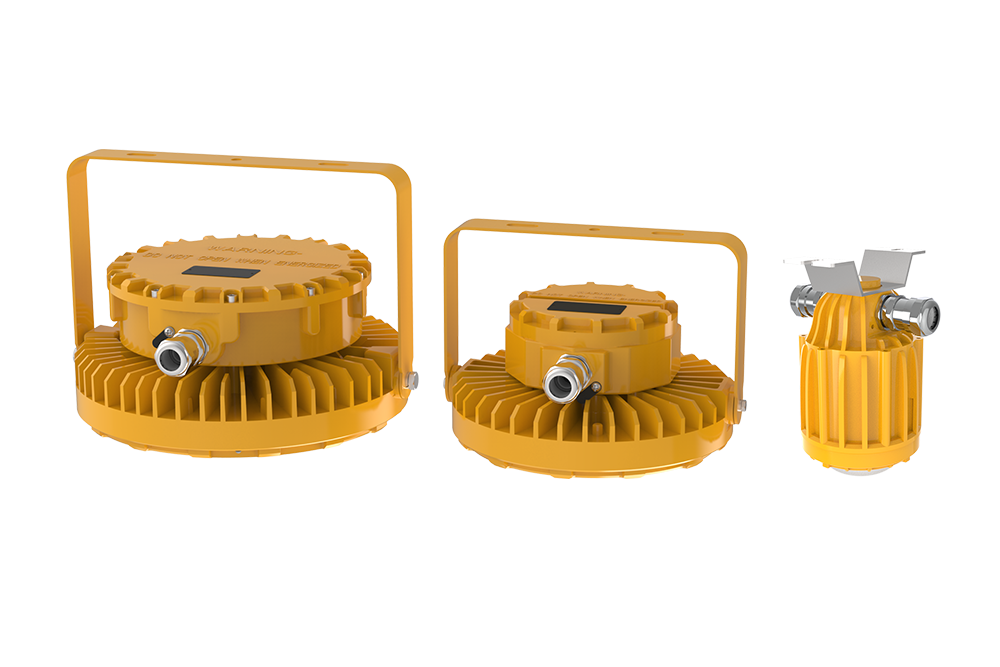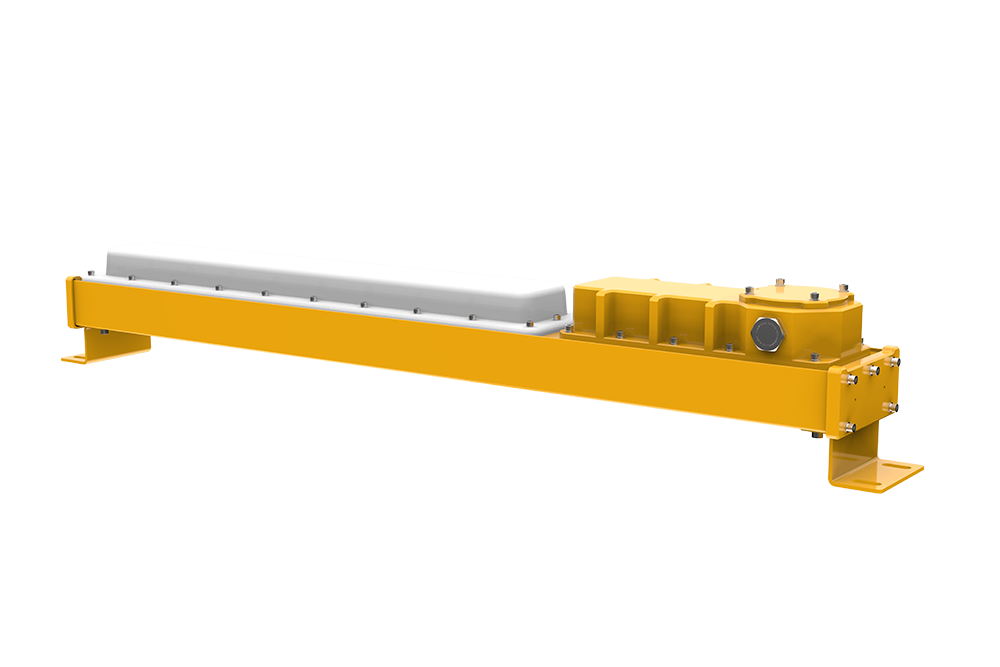
Beginning such text analyzes these tools about hazard-resistant lighting throughout industrial workspaces.
Running reliably amid treacherous sites like mining installations requires purpose-built apparatus meant to minimize potential occurrences. Detonation-proof luminaires are paramount parts in corresponding environments, produced to endure sparks, ignitable gases, and flammable environments. Various units are not fundamentally risk-free; in contrast they are manufactured to hold back any internal ignition or burst and prohibit it from generating a intensified explosion in the local area. This explanation gives crucial knowledge about explosion-proof lighting, their functions, and defense considerations for setting up them effectively.
Learning Explosion Proof Lighting Standards
Handling particular hazloc lighting standards can be complicated, especially inside workplaces operating in hazardous settings. These standards – often supported by authorized bodies such as the National Electrical Association (NEC), ATEX (Europe), and IEC – formulate clear design and mounting procedures to reduce the chance of flaring from non-explosive hardware. Understanding referenced standards is critical for ensuring employee safety and conformity with applicable requirements.
Semiconductor Spark Proof Lighting Devices: Efficiency & Safety
Semiconductor intrinsically safe luminaires provide a substantial advancement over older halogen illumination in areas where flammable gases are present. These durable mechanisms exclusively produce premium energy efficiency, resulting in declined expenditure, but specifically maintain a enhanced degree of safety by mitigating the threat of combustion attributable to discharge arc}.
Ex Unsafe Environment Unsafe Proof Blast Blaze Burst Resistant} Illumination : A Thorough Synopsis
Explosion Hardened Flammable Site Critical Proof} Sources are uniquely designed lighting mechanisms built to perform safely within potentially detonable settings. These robust fixtures block sparks, thermal output and charge bursts from igniting a significant explosion. They usually incorporate tailored designs, involving like closed housings and fundamentally safe wireless units to ensure safety norms in sectors like energy & petrochemical processing, production plants, extraction operations, and healthcare production.
Choosing the Best Hazardous Area Units for Hazardous Settings
Identifying the most fitting intrinsically safe devices for a intended at-risk location obliges detailed inspection. Elements such as the rating (e.g., Segment I, II, or III and areas A) must be carefully analyzed to ensure observance with corresponding security guidelines. Over and above the location’s fundamental exposures, think about surrounding parameters, covering heat and wetness, to pick a sturdy and secure remedy. Typically coordinate with a qualified professional to direct your judgment.
Environments Where Mandate Explosion Proof Lights?
Explosion-proof or: intrinsically safe|hazardous location|Class-rated} luminaries are decisively needed in multiple areas where hazardous substances or dust could likely create a explosive atmosphere. This often includes processing treatment plants, sealant application areas, cereal handling facilities, and water treatment treatment works. Regulations, such as those from UL and IEC, direct their installation in these locations to prevent the risk of ignition and guarantee safety integrity.
Benefits of Light Emitting Diode in Intrinsically Safe Lighting
Switching to LED technology for explosion proof luminaires offers a meaningful selection of upsides. First, electroluminescent units boast a noticeably longer use span compared to traditional gas-discharge sources, reducing servicing expenses and downtime. They are also primarily safer, producing attenuated caloric output which lowers the chance of ignition in treacherous atmospheres. Also, luminescent sources are considerably efficient in energy use, leading to declined voltage use charges and a reduced sustainable environmental cost. Finally, the sturdy construction of Semiconductor assemblies endures the harsh locales typical of blast-proof areas.
- Extended Activity Span
- Minimized Maintenance Expenditures
- Greater Mitigation
- Lesser Power Demand
- Boosted Resilience
Maintaining and Testing Explosion Proof Lighting Systems
Scheduled upkeep and in-depth review of explosion-proof lighting schemes are vitally mandatory for securing risk management and minimizing potential hazards. This entails a periodic review of all modules, such as fixtures, ducts, cabling, and attached connection boxes. Particularly, verify led explosion proof flood lights for deterioration, physical damage, and appropriate grounding. Besides, check that every signs are legible and that the illumination sources conforms to relevant protocols.
- Complete surface inspections.
- Check electrical connections.
- Confirm spark protection.
Prospective Developments of Explosion Proof Lighting Technology
Growing landscape of explosion-proof units technology promises a substantial shift from traditional designs. Future technologies will more and more incorporate remote capabilities, enabling remote monitoring, diagnostics, and adjustable control. We foresee a increasing adoption of photon-emitting technology, not only for its essential energy efficiency, but also its skill to facilitate integrated sensors for identifying unsafe conditions. Also, materials exploration is accelerating innovations in sturdy covering materials, allowing for trimmed and upgraded designs, while securing the required levels of protection.
- Enhanced battery life for mobile applications.
- Combination with proactive maintenance systems.
- Creation of automated lens systems.