Commencing
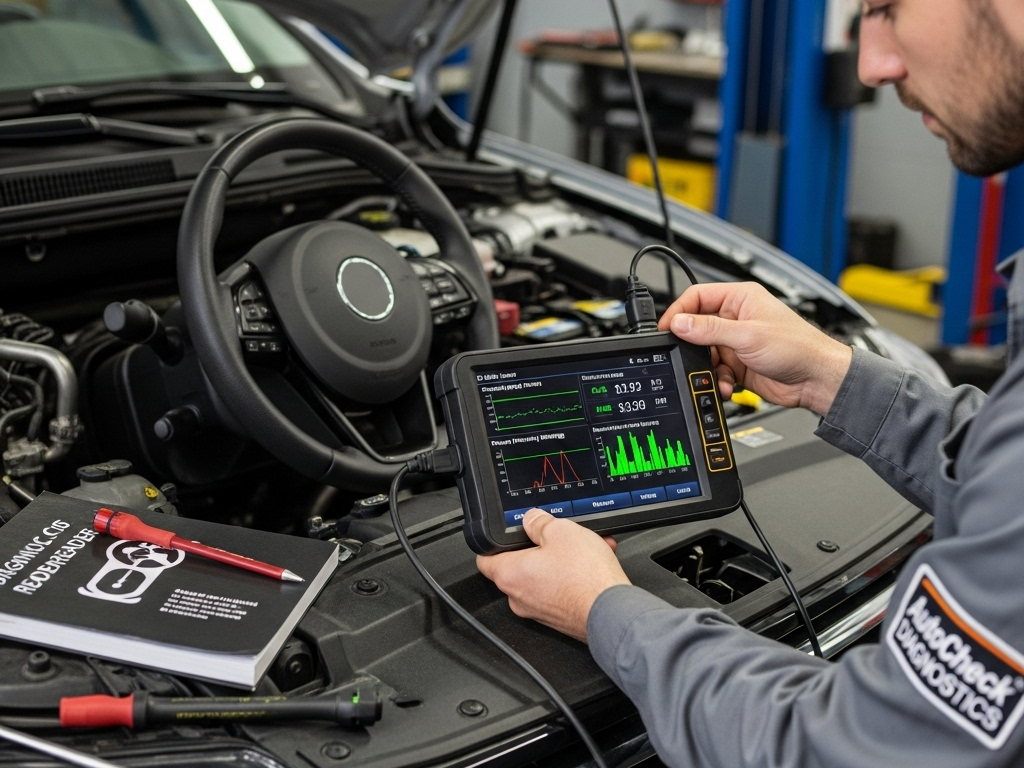
Entire mounting intricacy inside up-to-date machines asks for an detailed comprehension of diagnostic mechanisms, chiefly regarding On-Board Diagnostics II (OBD2) and Tire Pressure Monitoring Networks (TPMS). Within Europe, Asia, and the US, these advancements carry out using distinct frequencies. OBD2 protocols are largely unified globally, mainly utilizing ISO 9141-50, KWP2000, CAN, and others, but regional applications can pose minor variations. TPMS, however, is where considerable frequency differences appear. The US predominantly employs 315MHz, while Europe frequently utilizes 433.92MHz, and Asia shows a more diverse range including both frequencies and alternative bands. Thus, precise diagnostic tools must be outfitted with the capability to interpret these countless frequencies to promote effective servicing and maintenance.
Analyzing TPMS Sensor Frequencies: A Global Guide (Europe, North America, Asia)
Apprehending tire sensing device (TPMS) sensor transmissions among the universe remains difficult. Typically, North districts largely utilize 315 MHz, nevertheless some recent vehicles have 433 MHz. In contrast, Europe and most of Asia generally act on the 433 MHz channel, with some local variations emerging chiefly in select Asian nations. Consequently, pivotal to authenticate the correct radio frequency preceding acquiring TPMS sensors to secure match and avoid feasible concerns.
EV System Scanners: OBD2 Compatibility and TPMS Integration
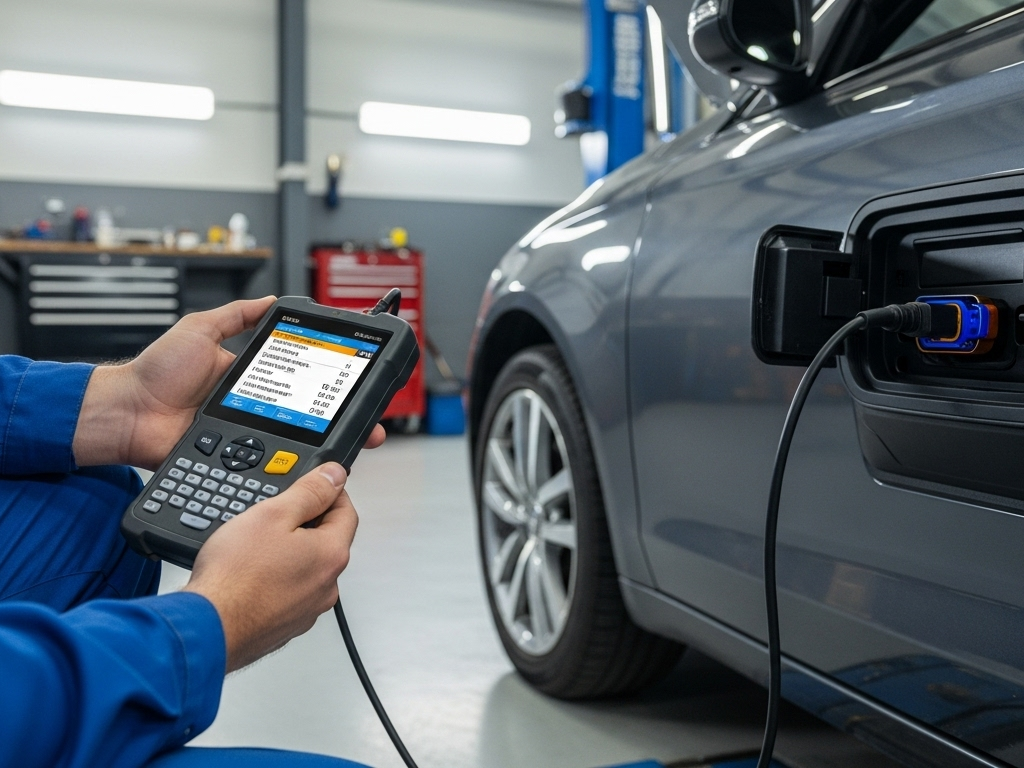
New battery-operated motor vehicle analyzers are increasingly including crucial functionality, particularly with respect to both universal On-Board Diagnostics II (OBD2) interaction and Tire Pressure Monitoring System (TPMS) association. Many eco-friendly cars utilize OBD2 ports for retrieving primary system readings, granting technicians and users to diagnose prospective errors. Furthermore, unified TPMS attachment provides reliable tire force values, fostering to enhanced welfare and octane effectiveness. This collaboration of OBD2 capabilities and TPMS service represents a substantial leap in battery transport diagnosis.
Tire Pressure Frequency Divergences: Europe vs. United States vs. East Asia - A In-depth Study
Several systems responsible for observing tire compression—TPMS—operate on special radio bands, leading to substantial regional discrepancies. North America predominantly utilizes 315 MHz, though some modern vehicles are changing to 433 MHz. European Region mandates 433.92 MHz, a specific frequency to maintain conformity across areas. East Asia exhibits a more complex landscape, with several regions using 315 MHz, others 433 MHz, and still additional areas employing a aggregation of both. This disparity poses challenges for garages and car users when dealing with replacement TPMS receivers or diagnostic hardware, mandating careful verification of regional requirements to prevent malfunctions and promote proper working of the TPMS.
Vehicle Scanners for EV Vehicles: TPMS Analysis & Frequency Interpretation
New vehicle tools are quickly growing to handle battery cars, especially concerning tire information troubleshooting. Unlike ICE cars, electric cars present unique problems when it comes to TPMS examination. Many electrified automobiles use distinct tire data devices spectra requiring the instrument to faithfully analyze the wavelength in use. This capability enables technicians to principally monitor wheel pressure but also determine the precise broadcast being dispatched by the monitoring network units, contributing in sound assessment of problems.
The US Tire Pressure Monitoring Systems Bands: Which Need Discover?
Dealing with the world of vehicle TPMS can be a challenge, primarily due to the varying ranges utilized across Western Europe, Asia, and the United States. Continental vehicles predominantly use 433.92 MHz, while Asian countries employ 315 MHz and 433.92 MHz, creating a thorny situation for installers. In the US, both 315 MHz and 433.92 MHz are ordinary, with 315 MHz being more commonplace. Therefore, understanding these regional contrasts is critical for accurately attending to TPMS issues and selecting the proper programming tools.
Past that Essentials: Automotive Diagnostics, Energy-Powered Cars, combined with Tire Monitoring Module Signal Differentiation
Considering expert vehicle experts, only grasping such fundamentals pertaining to OBD2, electrified machine technology, together with TPMS instrument transmission identification means certain important further milestone. The former areas venture around basic diagnostics, demanding customized implements & experience with the aim of unerringly diagnose plus rectify tough hurdles related rubber systems, charge network output, in addition to powertrain error indicators. What's more, appropriately isolating tire information transmitter signals – which vary between different makes and versions – can be critical for successful recalibration.
EV Diagnosis: Using OBD2 Scanners to Troubleshoot TPMS
Diagnosing Tire Pressure Monitoring Systems tire pressure systems in electric vehicles electric autos often demands more than simply visual inspection. Modern OBD2 checkers offer noticeable ability to retrieve TPMS data and locate potential problems. Utilizing these gadgets, technicians can view fault codes, scrutinize sensor performance, and even execute sensor evaluations, allowing for robust diagnosis of sensor failures and minimizing out-of-service duration. Such is especially significant given the increasing complexity of EV infrastructure.
Interpreting TPMS Bands: A Detailed Briefing for Western Europe, Asian Continent, and the Continent
Smoothly running TPMS amongst Continental Europe, Asia, and the Continent calls for a in-depth mastery of the variable signal bands they employ. Separate from a common system, the world commonly maintains specific ranges. To illustrate Western Europe chiefly utilizes three hundred fifteen MHz and 433.92 MHz band, while American Continent generally uses 315 MHz nevertheless some latest vehicles can feature 433.92 Megahertz. Asian Subcontinent shows a more fragmented outlook, with a range of spectrum allocations deployed, according to the region and ev service scanner transport maker.
- Reflect on regional laws regarding wireless frequency.
- Refer to your vehicle directory for particular wave.
- Leverage a tire pressure tool specialized in interpreting many transmissions.