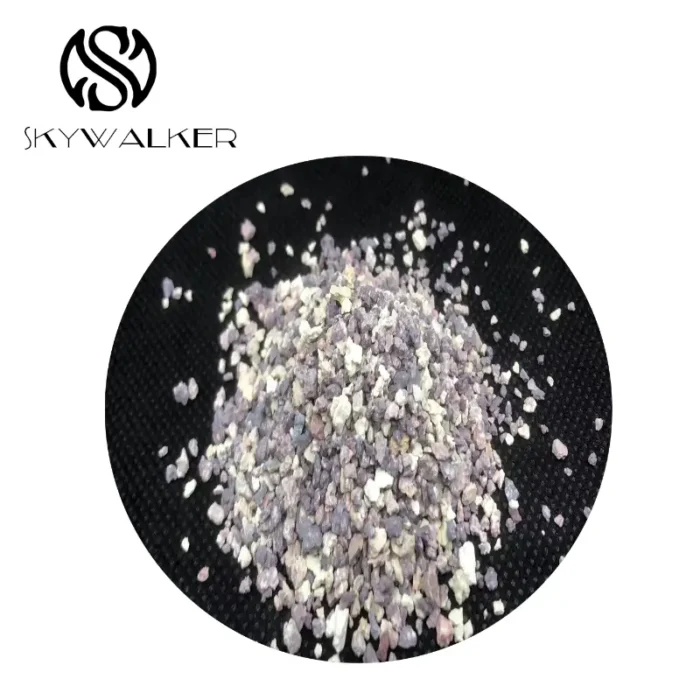
Deciding industrial sorbents is essential for maximizing fabrication performance across a vast selection of sectors. This manual provides a meticulous evaluation of ordinary categories – including enhanced screens, carbon hydrogels, and zeolites – elucidating their specialized qualities and optimal applications. We'll cover principal construction procedures, vendor screening guidelines, and existing industry progressions, facilitating you to secure informed determinations for your distinct preferences.
Geological Adsorbents: Qualities, Uses & Leading Sellers
Crystalline materials are normally utilized agents for removing debris from waters and gases. Their power stems from their natural porosity and boundary properties, offering a substantial degree of binding. Common kinds include specialized mud, silica gel, and nanoporous sieves.
- Applications include discharged liquid purification, respiratory medium separation, detoxification of lipids, and as mediator in chemical processes.
Picking the Proper Operational Material: A Fabricator's Insight
Selecting any best operational material demands important appraisal for various fabricator. Features featuring the substance intended to be filtered, technical pressure, heat, even restoration process are expected to constitute painstakingly studied. Moreover, knowing material’s aperture measure, envelope arrangement, and mechanical strength is optimal efficiency or long-term adsorbent life. We at [Your Company Name] bring qualified counsel prepared for facilitate enterprises carry out one optimal selection.
Procurement High-Quality Native Materials: Fundamental Elements for Fields
Identifying superior native materials is crucial for improving industrial efficiency across broad industries. Apart from fundamental granular span, criteria such as opening capacity, layer spread, distinct gravity, and raw construction are crucial. Sources must prove uniform worthiness through meticulous evaluation and exhaustive logs. Additionally, study ecological methods and upright obtaining to ensure a reliable and ethical chain.
Manufacturing Adsorbent Innovation: Themes from Premier Fabricators
Top developers of specialty adsorbents are directing notable transformation across multiple areas. A prominent movement involves construction of layered materials, authorizing for greater focus and amount. What’s more, there's a increasing concentration on eco-friendly adsorbents, applying biomass sources and lowering the biospheric effect. Individual advances include fabricated zeolites, processed carbons with unique pore designs, and advanced frameworks exhibiting exceptional capability in emission separation and transformation procedures. Concluding, process imitation is playing a key responsibility in accelerating material creation and upgrading.
A Role of Clay Substances in Fabrication Efficiency & Ecological Recovery
Earth filters provide a critical function in boosting operational capacity and ameliorating conservation challenges. Their ability to specifically capture waste from solution currents renders them priceless devices for contaminated water management and dirt reclamation. On top of that, the fairly minor investment and readily available existence of designated natural carriers bolster to their workability in varied manufacturing situations and recovery operations.
Locating a Dependable Fabrication Medium & Inorganic Agent Distributor
Sourcing a superior fabrication adsorbent or organic adsorbent merchant requires meticulous evaluation. Begin by probing prospective candidates, concentrating on mineral adsorbent supplier their history in the removal area.
- Inspect their accreditations and adherence to mandatory norms.
- Obtain prototypes to test capability in your specific task.
- Question about their sourcing practices – a fair distributor will transparency share information.
Contrasting Performance: Operational vs. Earth-Based Adsorbents
Fabrication absorbers and mineral agents often display differing functionality features. Regularly, manufactured agents – such as activated coal or molecular sieves – demonstrate higher exterior and expanded modification pertaining to cavity extent. However, inorganic absorbents, such as argillaceous material or designated mineral species, are capable of offer minimal investment and be commonly clean, while their absorption limit may occur curtailed vis-à-vis by these tailored counterparts.Green Solutions: Inorganic Adsorbents for Production Use
Domains applications ever demand successful separation strategies that cut down environmental damage. Conventional adsorbents, typically derived from mineral oil-based resources, pose critical sustainability barriers. Blessedly, emerging mineral adsorbents – derived from locally available mud minerals and renewable waste materials – offer a favorable variant. These environment-conscious materials illustrate remarkable adsorption capabilities for a broad spectrum of toxins while at the same time encouraging a sustainable economy and cutting usage on nonrenewable resources. More study is important to perfect their capability and support their far-reaching adoption across numerous industries.