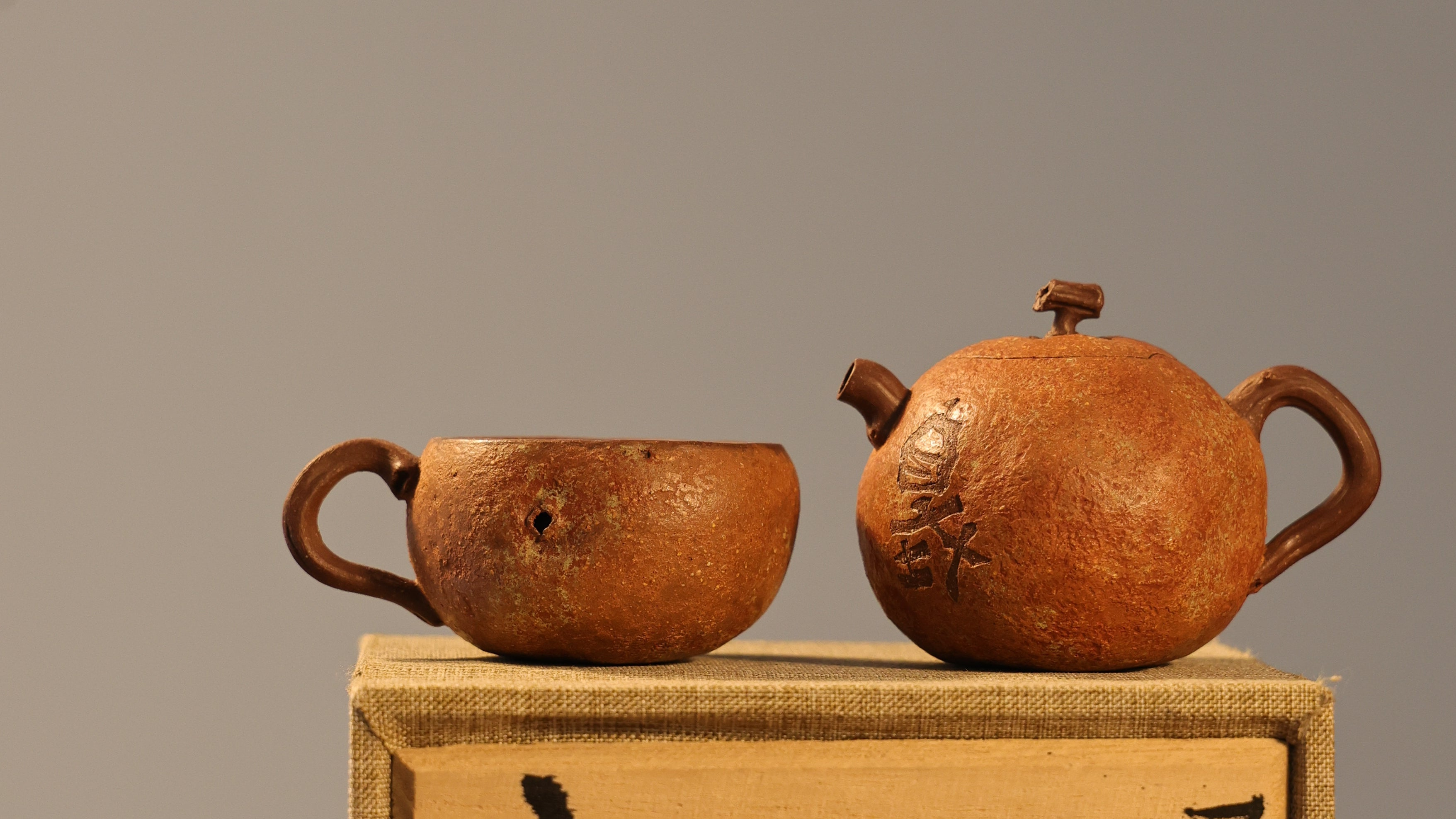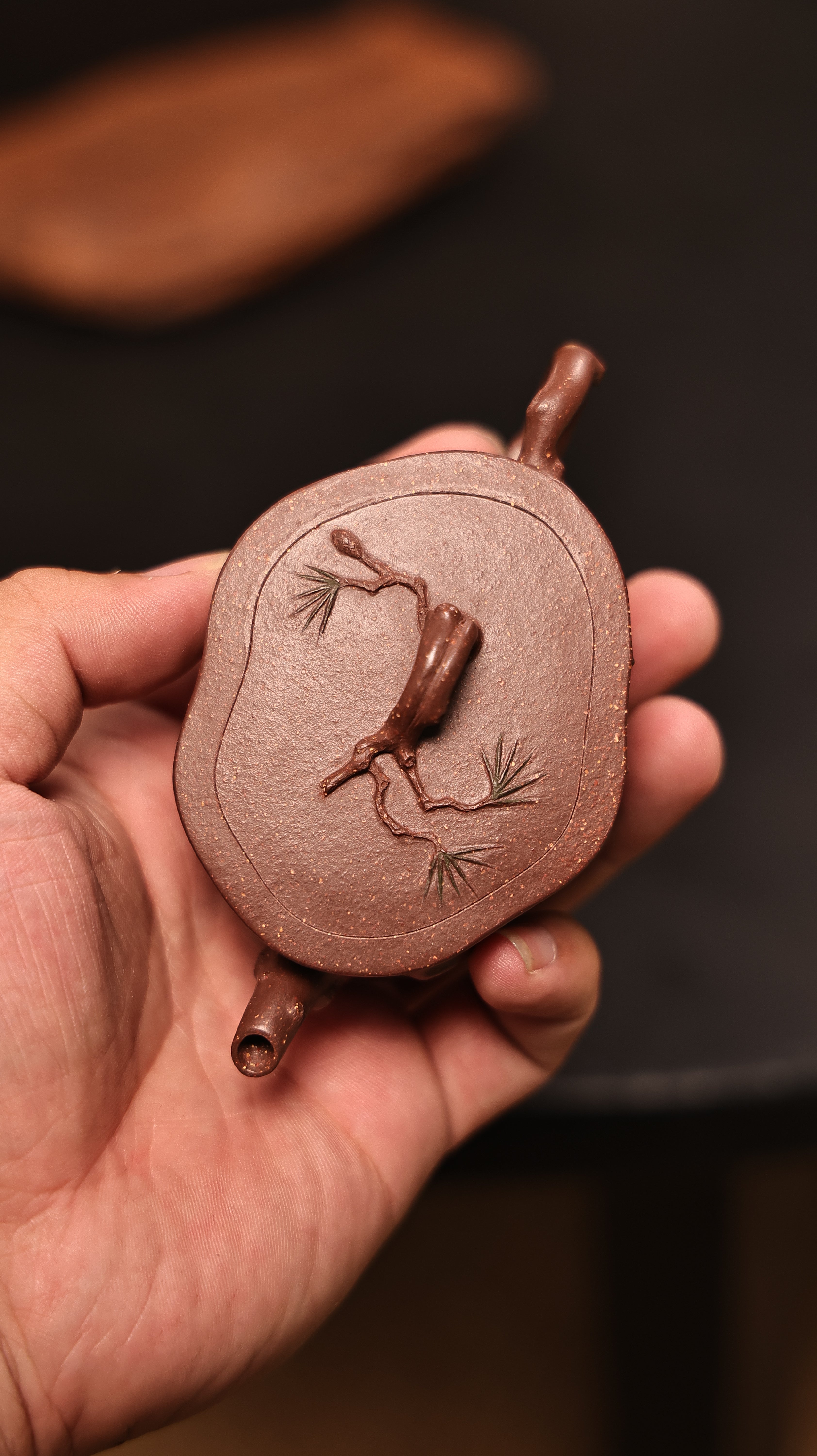
In the realm of timeless legacies,
Within ages, admirers have been engaged by the exceptional charm of Yixing Zisha pots. Originating from the zone of Yixing in the Chinese province, these objects are renowned for their prominent beauty, extraordinary clay, and congenital ability to enhance the taste of the infusion. The earth's distinctive maroon hue, combined with the masterful fabrication of indigenous sculptors, creates creations that are concurrently functional masterpieces and coveted properties. Possessing a Zisha teapot is more than just certain purchase; it's welcoming a rich ethnic heritage.
Grasping Yixing Teapots: Chronicles, Kinds, and Significance
The renowned Yixing teapots constitute a profound legacy deeply intertwined with Chinese culture. Beginning in the Yixing region of Jiangsu province, these clay vessels have a heritage dating back to the Ming Dynasty. Former examples were functional, but through centuries, Yixing teapot creation evolved into an esteemed art form. The clay itself, known for its unique grain and ability to augment the flavor of the tea, remains a defining factor. Yixing teapots come in various versions, broadly categorized by shape: Typical such as Zhuni (purple clay) and Bisheng, as well as distinct designs. The price of a Yixing teapot depends on several factors, including the potter’s acclaim, the age of the piece, the rarity of the clay, and its aesthetic beauty.- Chronology: Early periods
- Material: Several sorts
- Cost Determinants: Craftsman's renown
Zisha Pot Creation: Strategies and Craftsmen
Such development of a true Zisha teapot is a demanding process, requiring decades of competency. Experienced artisans meticulously select the prime Zisha clay, a rare earth found only in specific regions of China. Traditional techniques, often bestowed through families, involve careful shaping, sophisticated carving, and steady firing in ancient kilns. The concluding teapot isn't merely a container; it's a testament to inventive vision and the significant connection between the fabricator and their tradition. Each work showcases the particular touch of the fabricator, resulting in a truly exceptional work of masterpiece.
Traditional Artefacts: Uncovering the Comprehensive Customs of Yixing Domain
Renowned Yixing, established in Jiangsu the region, is extensively renowned for its exceptional clay pots – a tangible representation of centuries of Chinese tradition. These aren't merely vessels for processing tea; they are intricate works of mastery, often reflecting traditional ideals. Yixing's unique purple clay, known as Zisha, possesses unique qualities: the matter dense, permeable, and imparts a subtle quality Yixing Zisha Teapot to the tea.
- Many lineages have honed the techniques of Yixing urn making, passing down secret methods through lineages.
- Admirers prize these pieces for their beauty and uniqueness.
- Various piece tells a tale, connecting the imbiber to a rich lineage.
Purchasing Yixing Zisha: Critical Aspects
Considering exploring acquiring Yixing Zisha ceramics, diverse components demand careful evaluation. First of all, the substance's cast is essential; authentic Zisha usually exhibits a unique earthy tinge. What's more, review the execution; exacting attributes and a clean surface indicate talented artistry. Lastly, determine the potter's record; noted names bring increased costs and often guarantee a stable return.
How to Brew Premium Tea with Zisha Clay
Creating sumptuous tea with a Zisha jar is more beyond a simple procedure; it's an discipline. Zisha clay, known for its unique earthen composition, imparts a subtle character to the made tea that’s often deficient with other utensils. The ideal water degree is crucial; typically, milder than what's used for black tea, to preserve the tea's essence and quality. Consider diligently the tea selection; delicate green teas or aged pu-erhs thrive from the Zisha’s ability to reduce their fundamental edge. It’s essential to cleanse the teapot prior to brewing, and to neglect over-steeping. Mastering this craft leads to a sincerely exceptional tea enjoyment.
- Recognizing Zisha Clay
- Temperature Control & Variety of Tea
- The Importance of Pre-warming
Enhancing Your Celebrated Pot
In order to preserve the endurance of your prized Yixing ceramic pot, steady maintenance is decisively crucial. Never using abrasives; instead, softly immerse it with moderately heated water. Escape significant transitions; please don't situate the kettle directly onto a hot base. Periodically, season the jar by steeping it with superior black concoction, as this contributes to boost its patina and maintains the distinctive characteristics of the material.
Relating to Clay to Goblet: The Journey of a Chinese Ceramic
This creation of a Zisha teapot is a impressive process, a proof to both nature's bounty and the ability of the specialist. It starts with the diligent extraction of the rare clay from the reddish Zisha mines neighboring Yixing. This raw material, known for its extraordinary peculiarities, is then patiently washed and configured for the beginning forming. The vessel’s figure is expertly made using a fusion of established wheel throwing processes, often incorporating fancy enhancements. Following curing, the vessel undergoes a decisive first firing, consecutively done by a glazing stage, which might involve various layers of earthy Zisha applications. Finally, a second, and sometimes third, firing at powerful temperatures brings the creation, revealing its complete beauty and remarkable characteristics - a bona fide masterpiece, arranged to compliment a tea ceremony.
{Yixing Teapots: A Representation of Chinese Heritage and Respect
Esteemed Yixing teapots, originating from the prestigious Yixing region of Jiangsu province, are far more than mere ceramics for brewing infusions; they represent a weighty aspect of Chinese culture. Crafted from distinctive purple clay – zisha – these exceptional teapots are highly valued for their ability to improve the flavor of the tea and, crucially, for their artistic merit. The tradition of Yixing teapot making spans centuries, and the expertise involved is transmitted through generations, making each teapot a beautiful object that embodies classical techniques and a profound appreciation for the refined pleasures in life.