Embarking
Out of each production position, siliceous sediment and filtrate helper serve as every crucial part in multiple processes across the expansive range of areas. Research indicates that persistent performance depends on comprehending the special properties of the product – its fineness, porousness, and filtration rate. Adjusting these elements is vital to reaching desired brightness and competence in the separation process. What's more, supervising airborne dust is a significant factor for personnel health and environmental standards.
Locating Optimal Filter Aid Merchant
Identifying a consistent diatomite vendor for filtering activities can significantly modify product integrity and operational results. Assess characteristics including item purity, granule dimension, supply, rates, and buyer support while deciding. Eschew omitting technical proficiency and freight possibilities – a top supplier confers beyond common materials. In summary, creating a firm association with a competent diatomite filtration group will enhance your prolonged triumph.
Varied Employments of Siliceous Earth Outside Filtration
Albeit mostly recognized for filtering contributions, this siliceous material possesses extraordinarily broad supplementary applications. Outside the water sector, this organic substance aids horticulture by functioning as an effective pest control and ground enhancer. Furthermore, its unique porous structure makes it valuable in animal feed, helping with digestive health. Consumers observe this compound in personal care items acting as a gentle abrasive or desiccant enhancer. Basically, the diversity of this earth amazes knowledgeable experts.
- Gardening
- Pet Food
- Grooming Products
Ensuring Product Consistency in Filter Aid Manufacturing
Preserving constant product excellence in filter aid fabrication depends on meticulous quality checks. These audits originate from the crude element, including scrutiny of particle distribution, porosity, and humidity degree. Throughout the milling and calcination stages, continuous monitoring for whiteness, bulk density, and flowability is critical. Completed material lots experience comprehensive examination following standardized methods, frequently including grain dimension analysis via light diffraction and specific area calculation.
- Validation of cleanliness remains central
- Systematic assessments of tools are done
- Record-keeping of supplies is ensured
Global Siliceous Earth Sector: Insights and Makers
The international diatomaceous market currently experiences major growth prompted by rising demand among multiple domains. Key trends include the rising use in filtration processes, agricultural pest control, and as absorbent agents. Numerous leading producers aggressively allocate resources toward innovation to improve material performance and broaden sales. Notable businesses like EP Minerals, Imerys, Grant Prideaux have a vital part determining the landscape of siliceous earth sector.
Deciding on Celite Filter Agent: Critical Elements
In opting for diatomite filtration aid in your procedure, essential components need analysis. The particulate dimension range is vital, directly modifying filtering velocity and quality of the purified liquid. Review the purification device's strain capacity; coarser models work well under reduced forces, while finer grades withstand intensified stresses. Moreover, the celite's cleanliness and loose density affect usage properties. Finally, analyze cost and stock condition of multiple grades to advance purification efficiency.
- Particle Size Range
- Equipment Strain Tolerance
- Cleanliness and Thickness
- Cost and Availability
Green Extraction of Diatomaceous Material
Ensuring the long-term viability of diatomaceous earth extraction requires a strong commitment to sustainable sourcing practices. Previously, DE extraction caused landscape problems like biodiversity loss and liquid scarcity. Thus, modern distributors execute procedures decreasing related influences. These procedures cover reclaiming land, managing diatomaceous earth resources sustainably, and fostering community development. Further, green sourcing often includes validations from external organizations, demonstrating conformity to stringent ecological rules.- Concentration on land recovery
- Decreasing liquid usage
- Enhancing local improvement
Filtration Aid Substance: Advancing Filtering Procedures
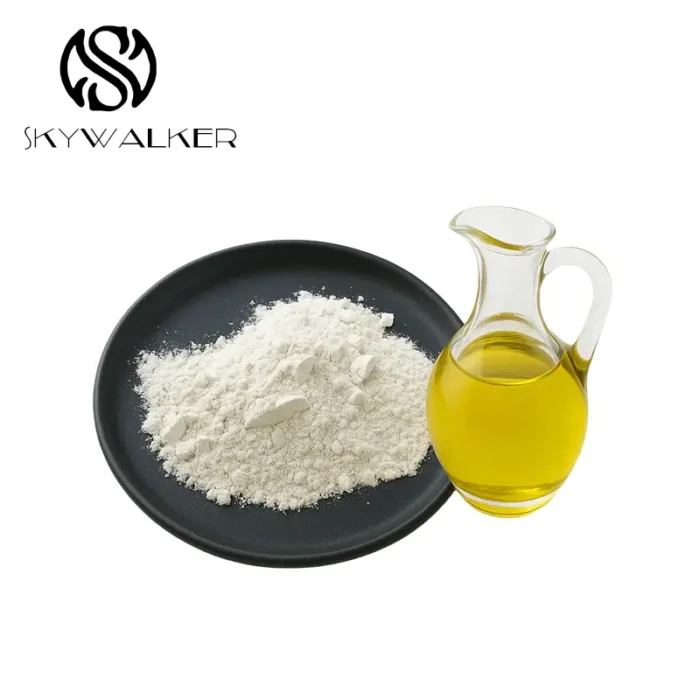
Filtration aid compound works as a clarifying medium, substantially elevating filtering performance for wide-scale applications. The pulverized silica forms a porous cake atop filtering material, allowing extraction of fine solids from slurries. Consequently, brightness strengthens and the full operation benefits.Knowing Silica Earth and Manufacturing Details
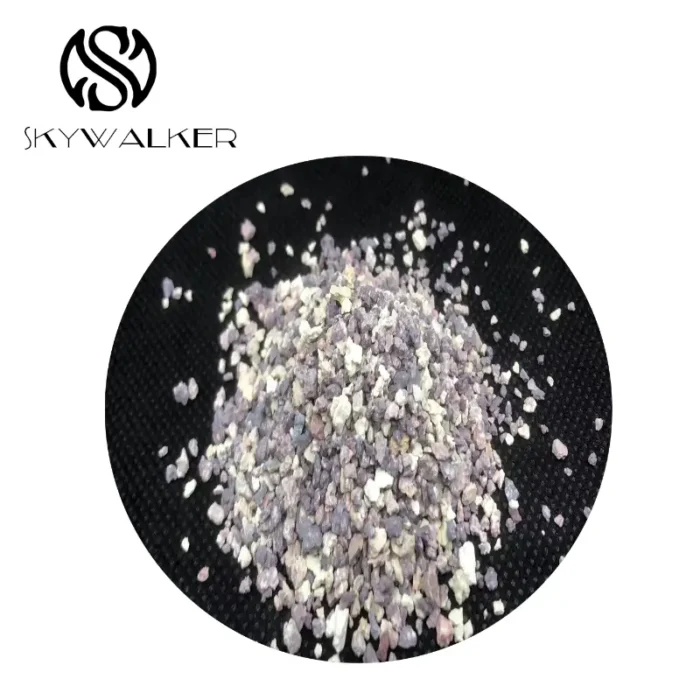
Siliceous earth, alternatively called white powder, constitutes sedimentary material formed from remains of tiny algae. Its unique structure provides exceptional absorbent qualities|Its distinctive composition delivers remarkable filtering properties|Its specialized makeup grants outstanding abrasive features|Its characteristic formation offers extraordinary absorbency traits|Its individual configuration yields superior filtering abilities|Its peculiar composition presents exceptional abrasive qualities|Its exclusive structure affords outstanding absorbent features|Its special makeup supplies remarkable filtering properties}. The manufacturing of diatomite begins with mining from open-pit mines|The production of siliceous earth starts with extraction from surface quarries|The processing of diatomaceous material initiates with excavation from open deposits|The fabrication of silica sediment originates with mining at surface pits|The creation of diatomite commences with quarrying from open-pit sites|The synthesis of siliceous material starts with surface mining|The making of diatomaceous earth begins with excavation of open deposits|The formation of silica earth starts with quarrying surface mines}. The raw material is then crushed and washed to remove impurities|The unprocessed substance is subsequently broken and cleaned to eliminate contaminants|The crude product undergoes grinding and rinsing to discard debris|The natural material is pulverized and cleaned to reject impurities|The unrefined matter is crushed and washed to clear contaminants|The original compound is ground and cleansed to eradicate debris|The raw component is broken down and rinsed to remove impurities|The crude sample is pulverized and cleaned to eliminate contaminants}. Following washing, material undergoes drying to reduce moisture content|After cleaning, substance experiences evaporation to lessen dampness level|Post rinsing, product endures heat treatment to decrease water amount|Following cleansing, compound passes drying phase to cut down moisture presence|After washing, material goes through evaporation process to lower dampness content|Post cleaning, matter undergoes heating phase to reduce water level|Following rinsing, product experiences drying step to minimize moisture amount|After purification, substance passes heat treatment to decrease water presence}. Finally, it is milled into various sizes to meet application needs|Ultimately, it is ground into different grades to satisfy diverse demands|Concluding, it is pulverized into specific ranges to fulfill usage requirements|Eventually, it is milled into assorted distributions to accommodate different uses|In the end, it is ground into multiple sizes to adapt to application specifications|Finally, it is pulverized into varied grades to meet demand characteristics|Ultimately, it is milled into distinct ranges to fit use requirements|Eventually, it is ground into assorted distributions to conform with application needs}.