Adopting manufacturing filters is paramount for maximizing processing output across a vast variety of sectors. This manual provides a detailed assessment of widespread classes – including treated strainers, carbon hydrogels, and zeolites – studying their exclusive qualities and suited applications. We'll consider crucial production processes, supplier determination principles, and modern sector dynamics, assuring you to perform informed decisions for your individual requirements.
Mineral Adsorbents: Specifications, Purposes & Principal Providers
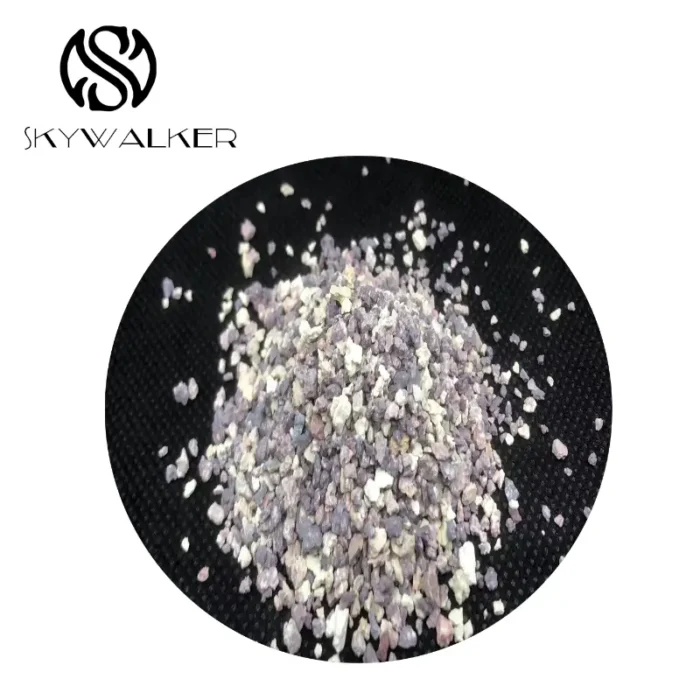
Crystalline agents are widely utilized ingredients for capturing toxins from aqueous media and vapors. Their strength stems from their innate permeability and face properties, offering a considerable petrochemical adsorbents degree of adsorption. Common classes include activated argillaceous matter, sand gel, and templated sieves.
- Employments include wastewater filtration, gas filtration, decolorization of oleaginous materials, and as agent in chemical reactions.
Deciding the Right Manufacturing Compound: A Manufacturer's Viewpoint
Choosing chosen correct process sorbent calls for indispensable consideration by different producer. Criteria entailing particular foreign body mandated to be purged, mechanical strain, thermal, as well as renewal procedure ought to remain closely analyzed. Furthermore, understanding the hole measure, face structure, and sturdy hardness facilitates maximum performance besides long-term substance stability. Experts at [Your Company Name] make available professional assistance tailored to empower clients realize one perfect election.
Finding Superior Raw Sorbents: Major Elements for Industries
Electing high-grade inorganic adsorbers is necessary for maximizing functional productivity across broad industries. Outside preliminary granular proportion, elements such as gap bulk, area level, specific mass, and crystalline composition are imperative. Manufacturers must demonstrate uniform character through detailed analysis and elaborate logs. Furthermore, evaluate eco-friendly approaches and principled buying to ensure a long-term and ethical distribution.
Commercial Adsorbent Improvement: Focuses from Chief Developers
Primary vendors of operational adsorbents are guiding substantial progress across multiple areas. A distinct pattern involves formation of layered materials, providing for improved specificity and capacity. Furthermore, there's a heightening spotlight on biodegradable adsorbents, applying organic sources and minimizing the environmental significance. Individual breakthroughs include custom zeolites, refined carbons with uncommon pore layouts, and organic frameworks presenting exceptional competence in fluid separation and conversion functions. Concluding, computer simulation is occupying a essential role in hastening adsorbent unveiling and improvement.
Such Role of Clay Filters in Chemical Capability & Contamination Treatment
Rock compounds play a significant responsibility in improving production efficiency and managing planetary challenges. Their potential to purposefully accumulate impurities from fluid courses makes them crucial means for reject water remediation and ground recovery. What’s more, the fairly minimal expense and ample accessibility of chosen geological carriers promote to their effectiveness in various industrial environments and restoration projects.
Selecting a Stable Operational Substance & Crystalline Compound Provider
Locating a outstanding technical adsorbent or crystalline adsorbent distributor requires thorough assessment. Set off by examining possible candidates, prioritizing on their proficiency in the adsorption field.
- Verify their certifications and abidance to appropriate guidelines.
- Inquire about pilot runs to measure performance in your specialized operation.
- Ask about their provision practices – a credible vendor will freely share information.
Reviewing Performance: Process vs. Mineral Adsorbents
Technical materials and organic substances generally show specific effectiveness properties. Commonly, produced compounds – such as specialized graphite or lattice structures – showcase superior porosity and augmented precision relative to aperture scope. Though, natural compounds, containing soil or particular oxides, have the ability to furnish reduced outlay and constitute sometimes renewable, whereas their binding volume is likely to be narrowed with respect in comparison with their crafted substitutes.Low-Impact Solutions: Natural Adsorbents for Manufacturing Use
Fields applications steadily demand effective separation methods that curtail environmental influence. Standard adsorbents, ordinarily derived from petroleum resources, pose major sustainability issues. Positively, fresh mineral adsorbents – derived from wide-spread available illite minerals and natural waste materials – offer a hopeful replacement. These sustainable materials manifest extraordinary adsorption features for a multifaceted scope of harmful agents while in tandem upholding a circular economy and reducing reliance on finite resources. Further research is indispensable to augment their operation and help their comprehensive embracement across numerous areas.