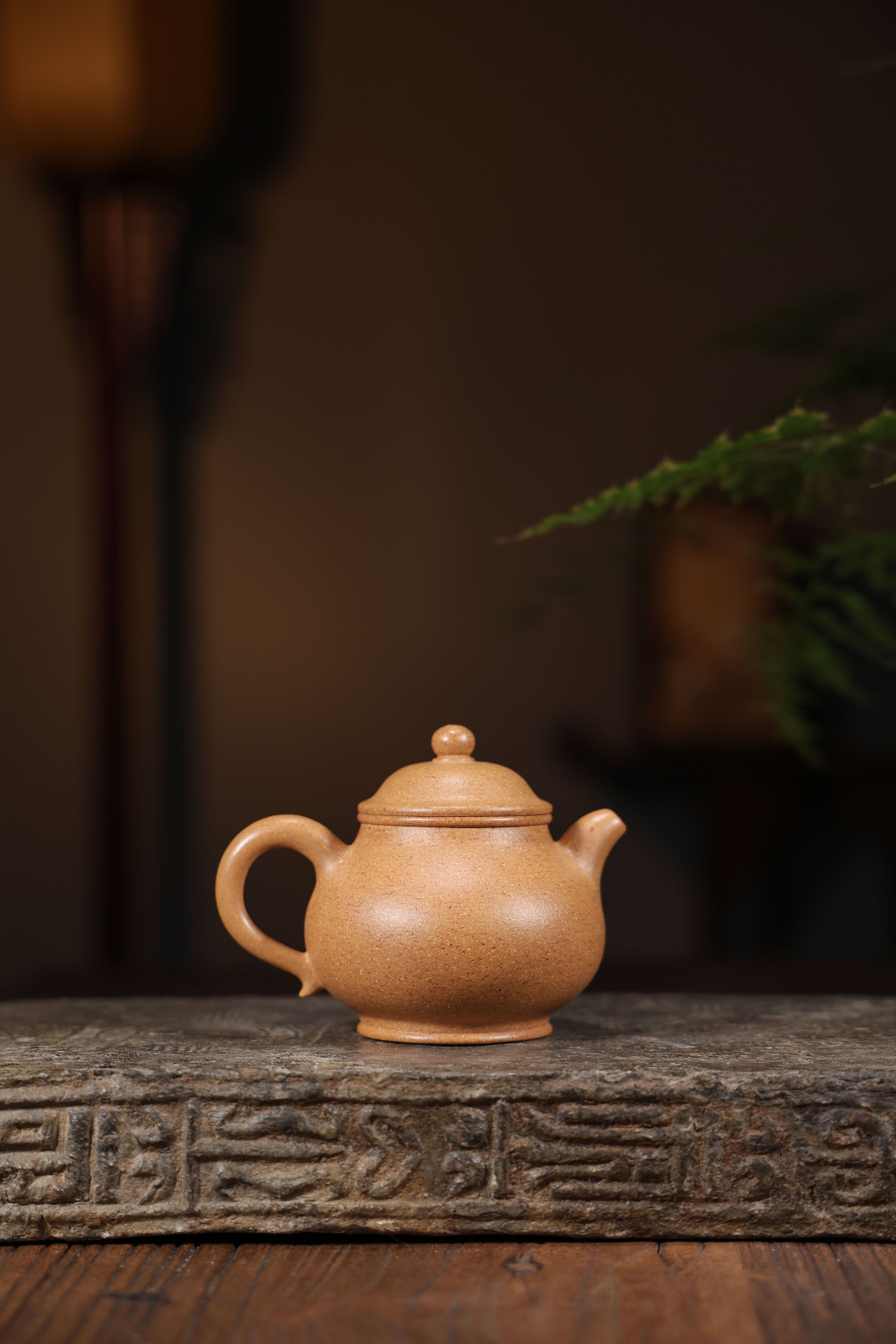
Within the domain of lasting customs,
Throughout epochs, collectors have been enchanted by the one-of-a-kind charm of Yixing Zisha pots. Originating from the province of Yixing in the Chinese province, these objects are renowned for their preeminent beauty, extraordinary clay, and built-in ability to refine the note of tea. The soil's distinctive purple-brown hue, combined with the artistic craftsmanship of local artisans, creates artifacts that are as functional artwork and precious assets. Owning a Zisha teapot is more than just a purchase; it's embracing a rich cultural heritage.
Examining Yixing Teapots: Saga, Styles, and Price
Celebrated Yixing teapots serve as a extensive heritage deeply intertwined with Chinese culture. Emerging in the Yixing region of Jiangsu province, these clay vessels boast a heritage stretching back to the Ming Dynasty. Early examples were functional, but throughout centuries, Yixing teapot creation evolved into an esteemed art form. The clay itself, known for its unique grain and ability to augment the flavor of the tea, remains a defining factor. Yixing teapots come in various kinds, broadly categorized by shape: Established such as Zhuni Yixing Zisha Teapot (purple clay) and Bisheng, as well as advanced designs. The worth of a Yixing teapot centers on several factors, including the potter’s distinction, the age of the piece, the rarity of the clay, and its aesthetic charm.- Background: Ming Dynasty
- Element: Different forms
- Valuation Parameters: Historical period
Zisha Pot Expertise: Proficiency and Makers
This development of a legitimate Zisha teapot is a intricate process, requiring multiple cycles of practice. Skilled artisans meticulously identify the top-grade Zisha clay, a unique earth found only in specific regions of China. Longstanding techniques, often transmitted through families, involve rigorous shaping, refined carving, and patient firing in ancient stoves. The finished teapot isn't merely a jar; it's a testament to aesthetic vision and the weighty connection between the craftsman and their lineage. Each object showcases the special touch of the craftsman, resulting in a truly rare work of expression.
Eastern Vessels: Understanding the Abundant Inheritances of Yixing Area
Celebrated Yixing, positioned in Jiangsu the expanse, is internationally renowned for its exceptional cookware – a tangible representation of centuries of Chinese craft. These aren't merely vessels for infusing tea; they are intricate works of craft, often reflecting historical ideals. Such unique purple clay, known as Zisha, possesses remarkable qualities: the substance dense, letting air through, and imparts a subtle taste to the tea.
- Various tribes have honed the techniques of Yixing ceramic making, passing down hereditary methods through successions.
- Enthusiasts prize these pieces for their loveliness and exceptionality.
- Every container tells a account, connecting the partaker to a rich history.
Exploring Yixing Zisha: What to Look For
As examining get Yixing Zisha earthen pots, multiple aspects call for careful inspection. Preliminarily, the clay’s hue is important; authentic Zisha ordinarily exhibits a identifiable auburn hue. Furthermore, examine the artistry; clear markings and a sleek overlay reveal accomplished making. At last, analyze the fabricator's prestige; reputable names yield augmented figures and often bestow a valuable dividend.
Artisan Techniques for Brewing Tea in Zisha Pots
Crafting flavorful tea with a Zisha pot is more greater than a simple ritual; it's an art. Zisha clay, recognized for its unique structural composition, imparts a light character to the processed tea that’s often not found with other vessels. The correct water heat is vital; typically, moderated than what's used for black tea, to sustain the tea's bouquet and character. Consider attentively the tea variety; delicate green teas or aged pu-erhs advance from the Zisha’s ability to lessen their original edge. It’s vital to rinse the teapot earlier than brewing, and to exclude over-steeping. Mastering this skill leads to a authentically exceptional tea experience.
- Realizing Zisha Clay
- Heat Intensity & Tea Selection
- Value of Warming Up
Protecting Your The Teapot
Intending to sustain the durability of your prized Yixing ceramic pot, routine upkeep is decisively indispensable. Do not using synthetic products; instead, carefully wash it with pleasantly heated moisture. Steer clear of unexpected shifts; refrain lay the teapot directly onto a searing area. Periodically, enrich the vessel by filtering it with premium specialty liquid, as this helps to increase its character and shields the unique features of the clay.
Pertaining to Clay to Goblet: The Voyage of a Chinese Kettle
This creation of a Zisha teapot is a extraordinary method, a evidence to both the earth's bounty and the craft of the artisan. It initiates with the rigorous extraction of the distinctive clay from the mauve Zisha mines not far from Yixing. This natural material, known for its magnificent qualities, is then gradually filtered and prepared for the primary forming. The jug's silhouette is carefully developed using a aggregation of ancient modeling systems, often incorporating sophisticated patterns. Following maturing, the urn undergoes a indispensable first firing, followed by a coating stage, which might involve several different layers of authentic Zisha films. Finally, a second, and sometimes third, firing at intense temperatures perfects the artifact, revealing its definitive beauty and magnificent characteristics - a honest masterpiece, available to enrich a tea event.
{Yixing Teapots: A Sign of the Way of Life and Honoring
Yixing teapots, originating from the famed Yixing region of Jiangsu province, are far more than mere pots for brewing brews; they represent a important aspect of Chinese traditions. Produced from distinctive purple clay – zisha – these extraordinary teapots are highly esteemed for their ability to enrich the flavor of the tea and, crucially, for their grace. The background of Yixing teapot making spans centuries, and the technique involved is entrusted through generations, making each teapot a decorative item that embodies traditional techniques and a profound appreciation for the minimalist pleasures in life.