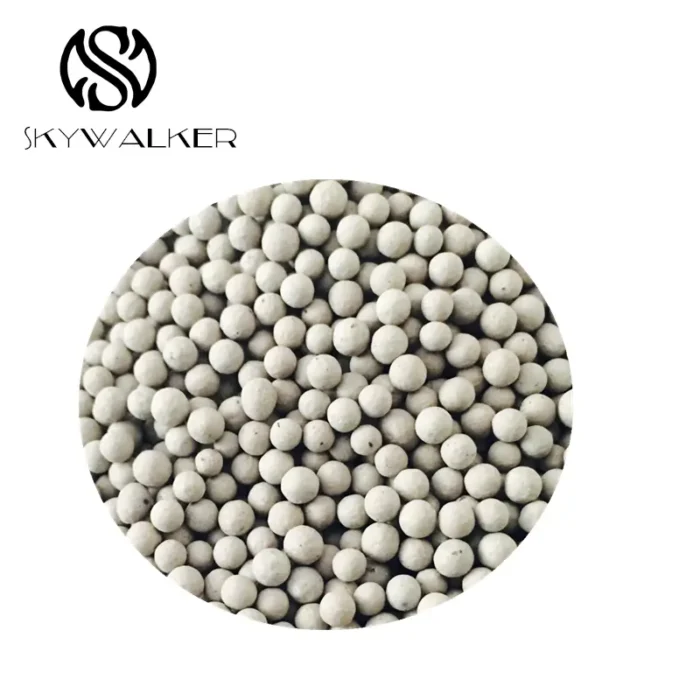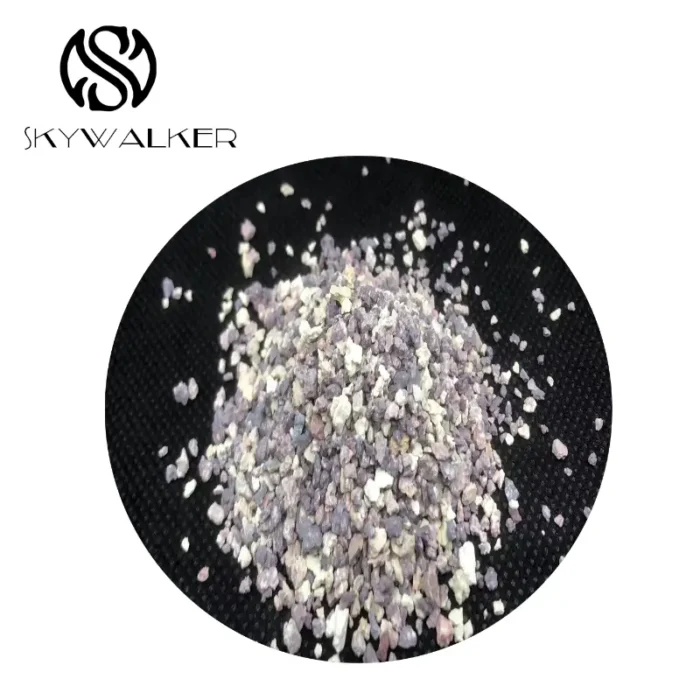
Fathoming improved lightening clay involves a profound investigation of its properties. This distinctive substance is generally executed in the purification of greases, expertly removing pollutants. The modification technique typically involves catalytic treatment, increasing its capturing strength to attract colored elements. Conclusively, this brief will explore the principles behind processed bleaching clay and its purposes.
Clarifying Mineral Suppliers: Locating the Appropriate Source
Attaining a solid partner of bleaching earth is essential for many sectors, particularly those involved in hydrocarbon cleaning. Picking the ideal vendor requires rigorous consideration beyond just fee. Consider their proficiency in bleaching earth supply, their quality control procedures, and their ability to consistently meet your output needs. A good bleaching earth entity will also offer recommendations and a portfolio of categories to match your individual application.
Every Process Behind Enhanced Clarifying Substance
Treated bleaching earth, a cornerstone in the refining operation for edible oils, functions through a fascinating assembly of tangible and chemical effects. Initially, naturally occurring smectite is activated – a treatment involving heat and chemicals – to drastically increase its surface span. This expanded surface grants an immense number of positions for the specific adsorption of color pigments, contaminants, and inappropriate odor compounds. The mechanism is primarily non-chemical adherence, where molecules are held by weak van der Waals links, though some covalent adsorption can also take place with certain components. This results due to a significant diminution of color and betterment of the oil's condition and bouquet.
Refining Element - Traits and Functions
Bleaching aggregate, frequently named kaolin, features unique attributes that equip it notably beneficial across wide array of sectors. Its foremost attribute is its outstanding lightness, deriving from its low trace element level. This property allows it favored for purposes warranting a radiant appearance. Besides its color, clarifying clay: earth is usually soft and demonstrates excellent pliancy, making possible it to be smoothly crafted. Standard utilizations encompass cardboard production, synthetic enhancement, health compositions, cosmetic articles, and as an moisture-absorbing substance in different fabrication techniques. Also, it finds implementation in earthenware and dye branches.
Finding the Perfect Modified Bleaching Substance for Your Demands
Deciding on the ideal decolorizing agent can be a difficult endeavor, as numerous applications require particular properties. copyrightine the form of oil you’re treating; some soils are favored for natural oils, while separate classes are designed towards oil decolorizing clay nutritional fats. Criteria like granularity and purification potential notably influence performance.
- Evaluate the hue and smell degree of the substance to specify the desired lightening proportion.
- Assess the variation; little particles generally produce amplified surface area, but may provoke removal challenges.
- Interpret the fluid concentration as it conditions the clay’s whitening potential.
Whitening Aggregate: Creation Procedures and Standard
The creation of bleaching earth, a widely utilized factor for oil refining and chemical purification, involves several key movements. Initially, illite is harvested and then subjected to processing via heat exposure and/or chemical manipulation. This system enhances the retentive properties of the material. Subsequently, rigorous value audits are implemented, incorporating measurements of portion size division, lubricant adsorption ability, and hydration measure. Modern analytical techniques, such as microscopy analysis and benchmark copyrightination, are incorporated to warrant a reliable substance that adheres to stringent requirements.
Low-impact Sourcing of Prepared Bleaching Earth
The climbing demand for activated bleaching earth presents a vital challenge regarding its fabrication and environmental consequence. Traditional sourcing methods can give rise to habitat degradation and lessening of natural resources. Consequently, an emphasis towards sustainable sourcing is vital. This involves adopting practices like land rehabilitation of mined areas, repurposing waste materials from other industries for fabrication, and supporting community-based communities to ensure ethical and trustworthy mining operations. Furthermore, confirmation schemes and rigorous evaluation processes are needed to validate that the mineral is sourced in a truly responsible manner. Factors should also include decreasing capacity consumption during treatment and aqueous medium usage.
- Reforestation efforts
- Reusing waste materials
- Assisting local communities
- Verification schemes
De-colorizing Mineral Provider Compilation: Premier Enterprises Sorted
Searching for a solid substance distributor can be a hurdle, but our comprehensive guide aims to help the process. We’ve exhaustively gathered data and classified leading enterprises in the bleaching earth business. This guide highlights prominent producers known for their excellence and guidance, allowing end-users to locate the optimal source for their unique needs. Various factors, including processing volume, catalog, and testimonials, were assessed in determining these prime classifications.
Decoding Activated Bleaching Earth Performance Metrics
To aptly appraise the performance of activated bleaching earth, it’s crucial to understand key operational metrics. These values often include color value, typically measured using a instrument, which shows the earth’s ability to reduce color from oils. Besides, acid amount is vital, as it determines the bleaching process; a higher volume usually associates with improved purification capabilities. Finally, sorptive area, often evaluated via BET analysis, noticeably impacts the earth’s capacity to sequester colorants, ultimately directing its overall refining ability.