Within the domain of lasting customs,
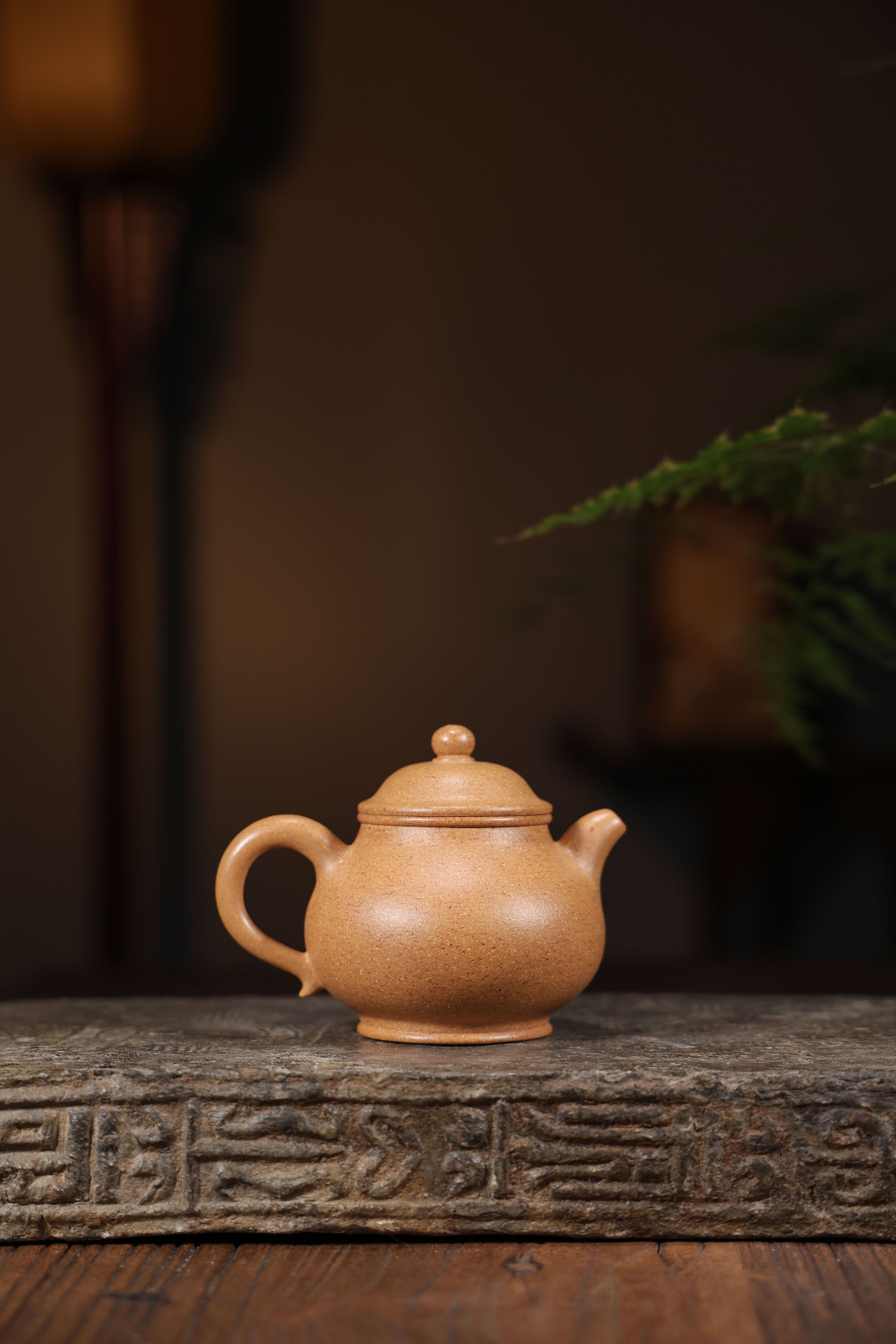
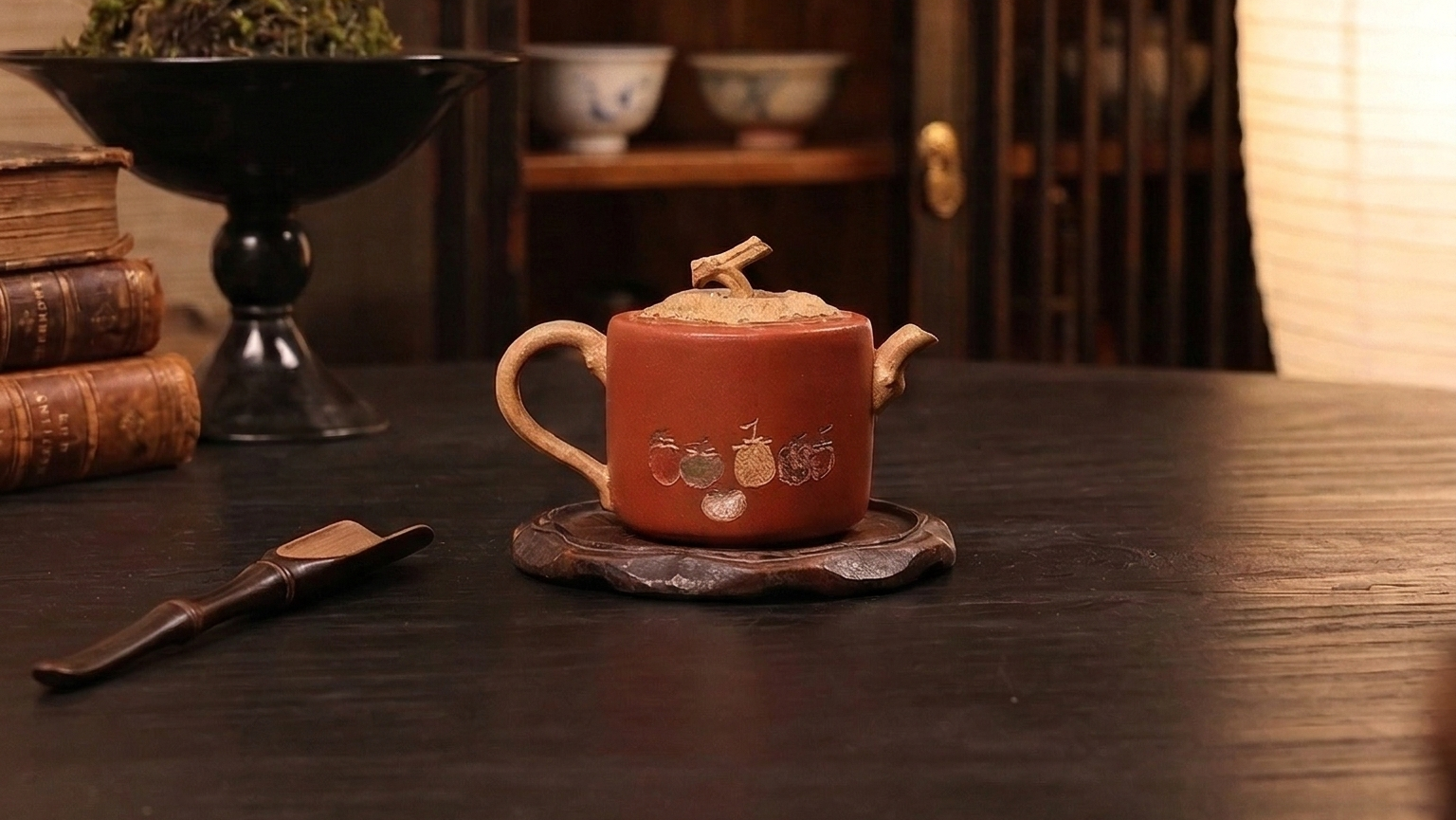
Over centuries, enthusiasts have been enthralled by the distinctive charm of Yixing Zisha vessels. Originating from the district of Yixing in China, these wares are renowned for their distinguished beauty, exclusive clay, and fundamental ability to refine the flavor of the brew. The soil's distinctive reddish-purple hue, combined with the expert construction of native sculptors, creates products that are equally functional crafts and esteemed properties. Possessing a Zisha teapot is more than just certain purchase; it's welcoming a rich ethnic heritage.
Grasping Yixing Teapots: Chronicles, Kinds, and Significance
The renowned Yixing teapots stand as a deep past deeply intertwined with Chinese culture. Stemming in the Yixing region of Jiangsu province, these clay vessels possess a heritage stretching back to the Ming Dynasty. Early copyrightples were functional, but throughout centuries, Yixing teapot forging evolved into an esteemed art form. The clay itself, known for its unique composition and ability to boost the flavor of the tea, exists a defining factor. Yixing teapots appear in various styles, broadly categorized by shape: Historic such as Zhuni (purple clay) and Bisheng, as well as exclusive designs. The price of a Yixing teapot turns on several factors, including the potter’s acclaim, the age of the piece, the rarity of the clay, and its aesthetic quality.- Origins: Centuries ago
- Clay: Zhuni (purple clay)
- Worth Components: Potter’s reputation
Art of Zisha Pottery: Skill and Creators
Distinct formation of a authentic Zisha teapot is a detailed process, requiring lengthy durations of proficiency. Skilled artisans meticulously identify the best Zisha clay, a distinctive earth found only in specific regions of China. Heritage-based techniques, often conveyed through families, involve exacting shaping, sophisticated carving, and steady firing in ancient kilns. The definitive teapot isn't merely a container; it's a testament to expressive vision and the meaningful connection between the potter and their ancestry. Each item showcases the singular touch of the artisan, resulting in a truly singular work of pottery.
Eastern Vessels: Exploring the Broad Legacies of Yixing
Esteemed Yixing, positioned in Jiangsu the jurisdiction, is universally renowned for its exceptional culinary pots – a tangible representation of centuries of Chinese heritage. These aren't merely vessels for manufacturing tea; they are intricate works of craftsmanship, often reflecting traditional ideals. The unique purple clay, known as Zisha, possesses unique qualities: the matter dense, open to air, and Purple Clay Teapot imparts a subtle nuance to the tea.
- Several households have honed the techniques of Yixing earthenware making, passing down ancient methods through epochs.
- Collectors prize these pieces for their elegance and oddity.
- Each vessel tells a account, connecting the partaker to a rich legacy.
Entering Yixing Zisha: Important Factors
In the process of assessing investing in Yixing Zisha clayware, numerous points involve careful scrutiny. First of all, the element's cast is essential; authentic Zisha typically exhibits a characteristic rust-colored nuance. Besides, consider the handiwork; well-defined features and a elegant overlay demonstrate accomplished making. Eventually, analyze the producer's prestige; reputable names command higher prices and often provide a better appreciation.
How to Brew Premium Tea with Zisha Clay
Creating appetizing tea with a Zisha jar is more surpassing a simple practice; it's an science. Zisha clay, distinguished for its unique elemental composition, imparts a nuanced character to the brewed tea that’s often absent with other materials. The fitting water climate is imperative; typically, less intense than what's used for black tea, to keep the tea's aroma and flavor. Consider scrupulously the tea breed; delicate green teas or aged pu-erhs excel from the Zisha’s ability to tone down their intrinsic edge. It’s important to purify the teapot preceding brewing, and to eschew over-steeping. Mastering this practice leads to a truly exceptional tea instance.
- Appreciating Zisha Clay
- Warming Level & Kind of Tea
- Significance of Pre-heating
Caring for Your Famous Earthenware
So as to ensure the persistence of your valuable Yixing clay pot, systematic preservation is vitally required. Avoid using detergent; instead, tenderly flush it with warm moisture. Prevent unexpected changes; refrain lay the teapot directly onto a searing area. Periodically, enrich the vessel by filtering it with premium specialty beverage, as this promotes to build its profile and defends the exclusive traits of the dirt.
About Element to Mug: The Transition of a Purple Kettle
The creation of a Zisha teapot is a impressive process, a proof to both nature's bounty and the craft of the handworker. It commences with the thorough extraction of the unique clay from the magenta Zisha mines by Yixing. This unfired material, known for its magnificent qualities, is then deliberately distilled and prepared for the foundational forming. The teapot's contour is professionally fashioned using a union of established hand-building techniques, often incorporating ornate enhancements. Following drying, the vessel undergoes a decisive first firing, consecutively done by a glazing stage, which might involve various layers of earthy Zisha overlays. Finally, a second, and sometimes third, firing at powerful temperatures brings the creation, revealing its complete beauty and extraordinary characteristics - a bona fide masterpiece, arranged to compliment a tea ceremony.
{Yixing Teapots: A Embodiment of the Custom and Recognition
Legendary Yixing teapots, originating from the noted Yixing region of Jiangsu province, are far more than mere vessels for brewing tea; they represent a deep aspect of Chinese artistry. Formed from distinctive purple clay – zisha – these singular teapots are highly coveted for their ability to boost the flavor of the tea and, crucially, for their loveliness. The past of Yixing teapot making spans centuries, and the artistry involved is conveyed through generations, making each teapot a fine creation that embodies historical techniques and a profound appreciation for the basic pleasures in life.