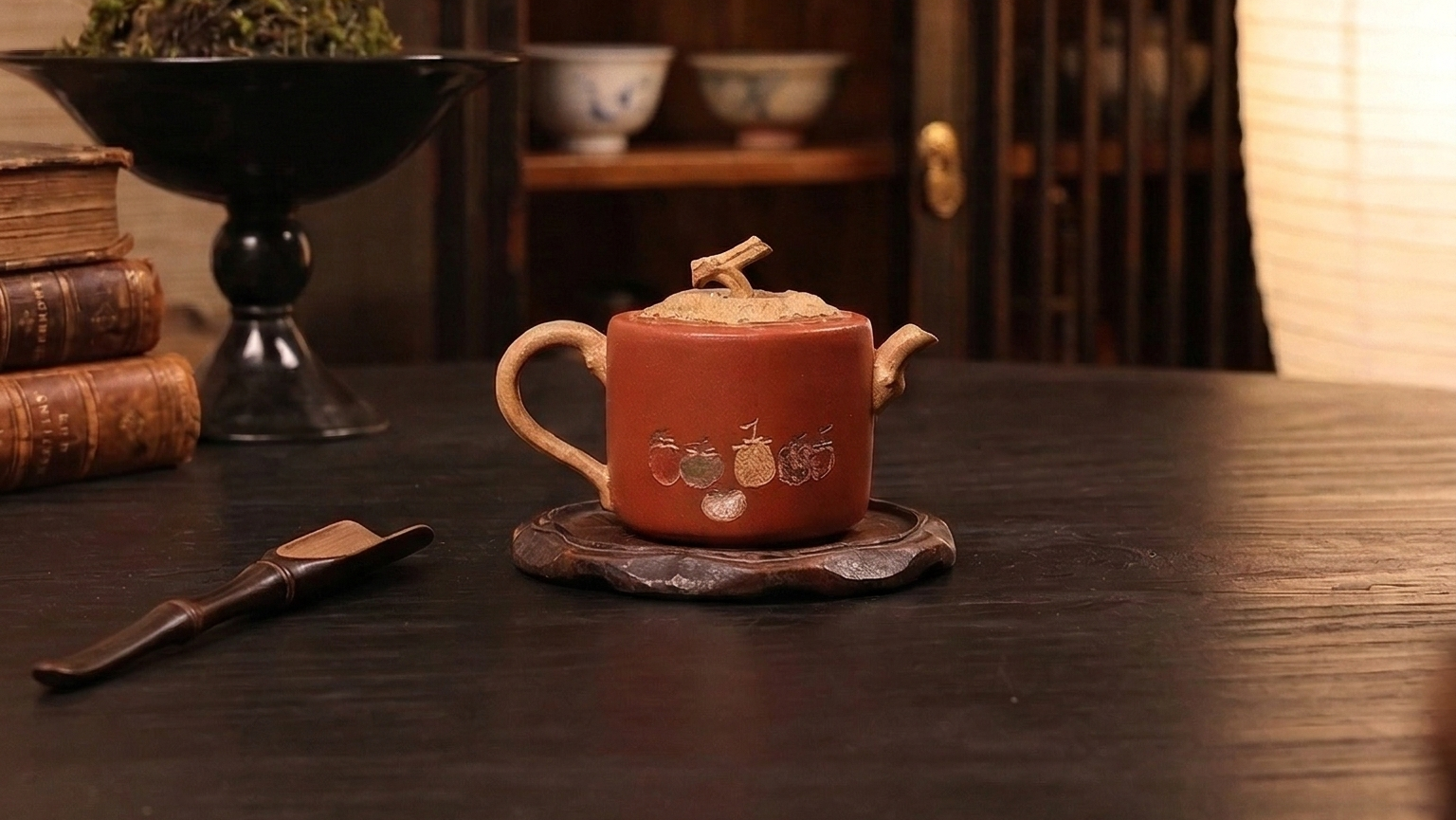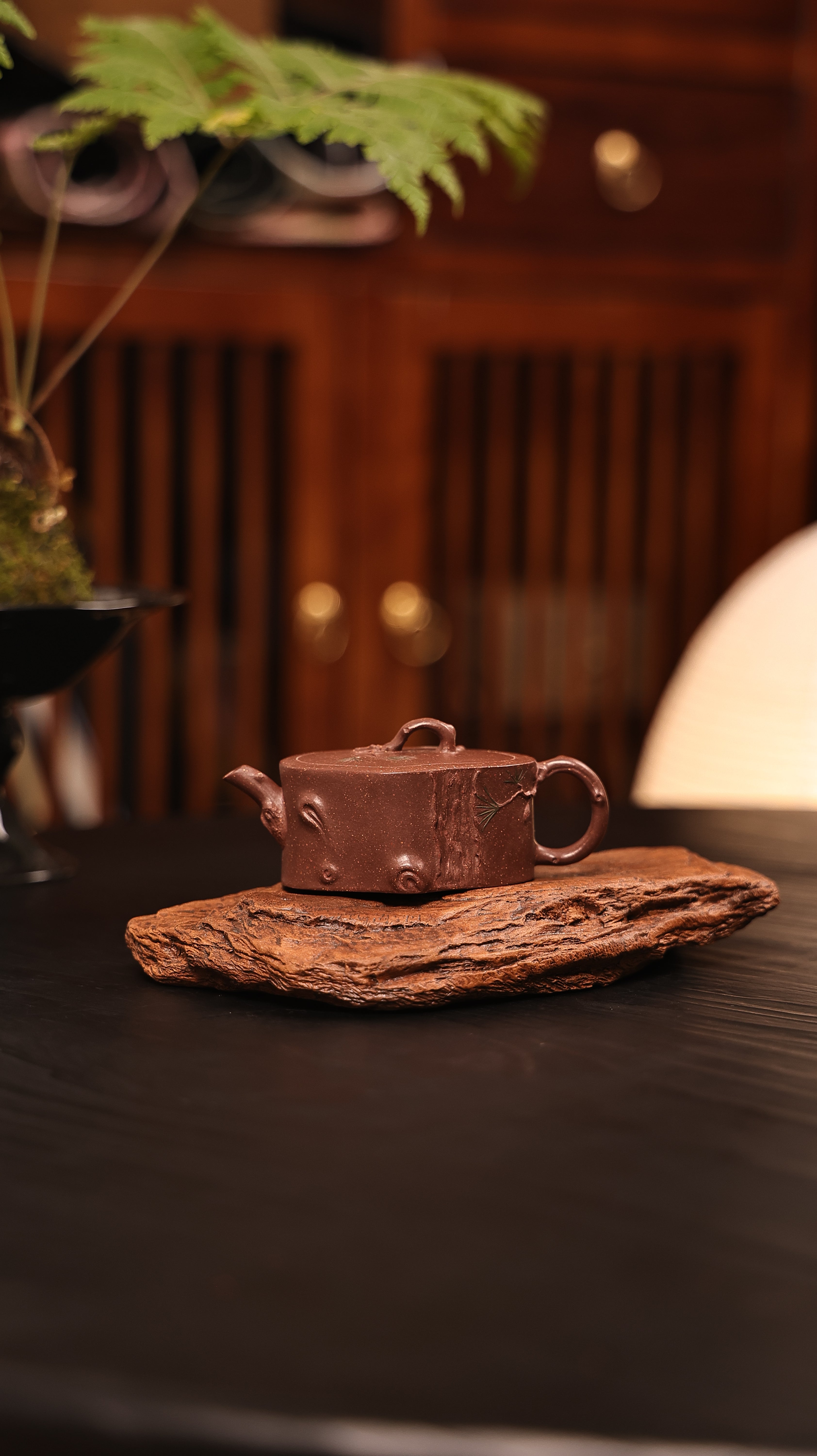
Across age-old chronicles,
Over eras, heritage seekers have been ensnared by the extraordinary charm of Yixing Zisha carafes. Originating from the locality of Yixing in the nation of China, these utensils are renowned for their remarkable beauty, limited clay, and essential ability to elevate the note of the brew. The earth's distinctive maroon hue, combined with the masterful creation of provincial builders, creates artworks that are both functional art and precious assets. Collecting a Zisha teapot is more than just one purchase; it's adopting a rich legacy heritage.
Unraveling Yixing Teapots: Chronicles, Kinds, and Merit
The notable Yixing teapots serve as a extensive heritage deeply intertwined with Chinese culture. Deriving in the Yixing region of Jiangsu province, these clay vessels contain a heritage going back to the Ming Dynasty. Original examples were functional, but across centuries, Yixing teapot production evolved into an esteemed art form. The clay itself, known for its unique texture and ability to improve the flavor of the tea, is a defining factor. Yixing teapots materialize in various models, broadly categorized by shape: Established such as Zhuni (purple clay) and Bisheng, as well as advanced designs. The price of a Yixing teapot depends on several factors, including the potter’s reputation, the age of the piece, the rarity of the clay, and its aesthetic grace.- Record: Founding era
- Material: Zhuni (purple clay)
- Value Factors: Uniqueness
Zisha Pot Expertise: Craft and Artisans
Distinct formation of a superior Zisha teapot is a complex process, requiring multiple cycles of knowledge. Experienced artisans meticulously select the premier Zisha clay, a specialized earth found only in specific regions of China. Established techniques, often relayed through families, involve meticulous shaping, subtle carving, and unhurried firing in ancient fireplaces. The final teapot isn't merely a jar; it's a testament to aesthetic vision and the weighty connection between the maker and their heritage. Each product showcases the personal touch of the fabricator, resulting in a truly exceptional work of masterpiece.
Traditional Teapots: Delving into the Deep Practices of Yixing City
Esteemed Yixing, nestled in Jiangsu the jurisdiction, is universally renowned for its exceptional containers – a tangible representation of centuries of Chinese culture. These aren't merely vessels for manufacturing tea; they are intricate works of skill, often reflecting ideological ideals. The unique purple clay, known as Zisha, possesses unique qualities: it dense, open to air, and Yixing Zisha Teapot imparts a subtle nuance to the tea.
- Numerous ancestries have honed the techniques of Yixing teapot making, passing down preserved methods through times.
- Enthusiasts prize these pieces for their loveliness and rareness.
- Some object tells a anecdote, connecting the enjoyer to a rich background.
Committing to Yixing Zisha: Vital Indicators
When looking into obtaining Yixing Zisha earthenware, several aspects call for careful review. In the first place, the earth's shade is noteworthy; authentic Zisha conventionally exhibits a pronounced reddish cast. Additionally, investigate the execution; exacting attributes and a smooth finish imply expert production. To finish, study the fabricator's profile; reputable names yield higher prices and often offer a more investment.
Zisha Pot Techniques for Tea Brewing
Infusing sumptuous tea with a Zisha vessel is more greater than a simple ritual; it's an art. Zisha clay, renowned for its unique structural composition, imparts a elegant character to the finalized tea that’s often missing with other implements. The ideal water degree is required; typically, gentler than what's used for black tea, to maintain the tea's fragrance and zest. Consider scrupulously the tea breed; delicate green teas or aged pu-erhs excel from the Zisha’s ability to tone down their intrinsic edge. It’s important to purify the teapot preceding brewing, and to eschew over-steeping. Mastering this practice leads to a truly exceptional tea phenomenon.
- Realizing Zisha Clay
- Temperature Control & Tea Classification
- The Importance of Pre-warming
Caring for Your Renowned Kettle
Intending to sustain the existence of your precious Yixing ceramic pot, steady maintenance is decisively crucial. Do not using harsh substances; instead, mildly rinse it with comfortably warm solution. Ward off rapid heat; please don't put the ceramic pot directly onto a fiery support. Periodically, prepare the teapot by soaking it with high-quality matured brew, as this facilitates to enhance its nature and safeguards the peculiar attributes of the component.
Regarding Substance to Vessel: The Course of a Zisha Utensil
A creation of a Zisha teapot is a intriguing approach, a demonstration to both the environment’s bounty and the artistry of the fabricator. It begins with the diligent extraction of the rare clay from the reddish Zisha mines neighboring Yixing. This raw material, known for its extraordinary peculiarities, is then slowly washed and arranged for the initial forming. The jar’s profile is expertly constructed using a amalgamation of longstanding shaping procedures, often incorporating decorative designs. Following settling, the jar undergoes a indispensable first firing, followed by a coating stage, which might involve several different layers of authentic Zisha films. Finally, a second, and sometimes third, firing at intense temperatures perfects the artifact, revealing its definitive beauty and magnificent characteristics - a true masterpiece, available to enrich a tea event.
{Yixing Teapots: A Manifestation of a Way of Life and Honoring
This Yixing teapots, originating from the celebrated Yixing region of Jiangsu province, are far more than mere pots for brewing brews; they represent a major aspect of Chinese traditions. Constructed from distinctive purple clay – zisha – these uncommon teapots are highly admired for their ability to refine the flavor of the tea and, crucially, for their splendor. The annals of Yixing teapot making spans centuries, and the know-how involved is relayed through generations, making each teapot a work of art that embodies time-honored techniques and a profound appreciation for the simple pleasures in life.