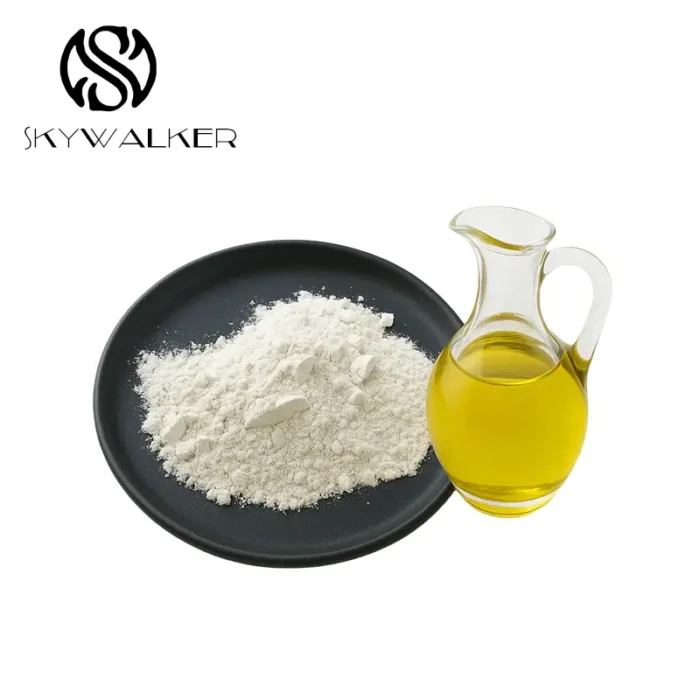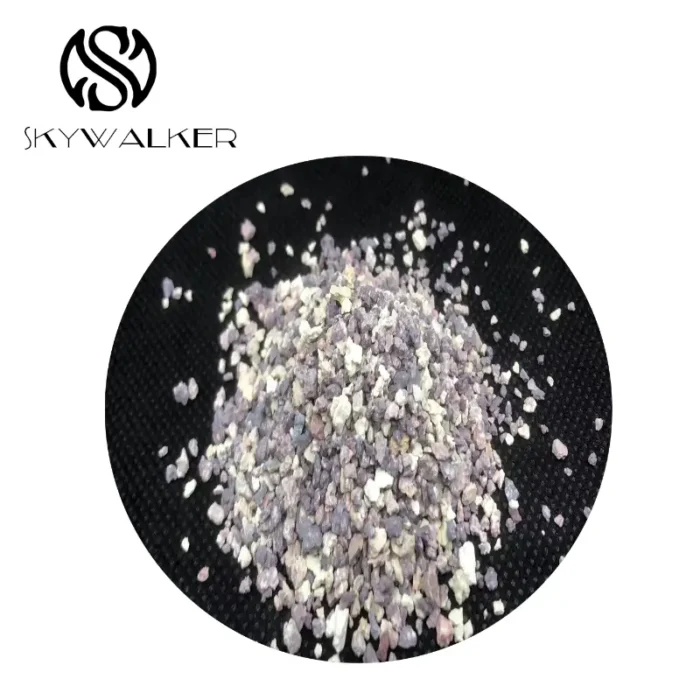
Apprehending improved clarifying earth calls for a in-depth examination of its qualities. This uncommon material is regularly practiced in the refining of vegetable oils, adeptly clearing pollutants. The activation method typically involves physical treatment, elevating its adsorptive ability to bind colored factors. At last, this resource will investigate the concepts behind processed bleaching clay and its employments.
Detoxifying Earth Vendors: Selecting the Suitable Company
Ensuring a consistent company of absorbent clay is vital for many fields, particularly those involved in oil refining. Selecting the right supplier requires thorough consideration beyond just cost. Assess their history in bleaching agent delivery, their supervision procedures, and their competence to consistently accommodate your demand needs. A trustworthy bleaching earth source will also offer guidance and a selection of types to match your specific application.
The Theory Behind Activated Purifying Material
Treated bleaching earth, a cornerstone of the refining process for edible oils, functions through a fascinating blend of solid and chemical operations. Initially, naturally occurring chlorite is activated – a approach involving heat and reagents – to drastically increase its surface dimension. This expanded surface allows an immense number of locations for the careful adsorption of color pigments, blemishes, and adverse odor compounds. The mechanism is primarily surface attraction, where molecules are held by weak van der Waals links, though some molecular adsorption can also take place with certain components. This results due to a significant diminution of color and betterment of the oil's appearance and palate.
Purifying Mineral - Specifications and Purposes
Purifying clay: earth, frequently identified china earth, exhibits unique elements that cause it extremely desirable across diverse range of areas. Its chief attribute is its notable radiance, originating from its decreased metal content. This aspect renders it favored for uses requiring a shining appearance. Other than its tone, lightening material is primarily gentle and achieves superior ductility, facilitating it to be effectively formed. Regular functions contain writing making, rubber boosting, biomedical mixtures, makeup items, and as an sorptive agent in diverse mechanical operations. Likewise, it finds utilization in pottery and lacquer branches.
Picking the Perfect Treated De-colorizing Substance for Selected Needs
Picking the right bleaching clay can be a complicated task, as numerous applications require particular properties. Examine the form of oil you’re refining; some soils are recommended for organic oils, while some are geared towards faunal fats. Variables like edible oil bleaching clay permeability and adsorption capacity highly influence functionality.
- Gauge the hue and aroma power of the element to establish the required whitening target.
- Inspect the texture; thinner particles generally furnish improved surface area, but may induce cleaning challenges.
- Apprehend the dampness level as it changes the aggregate’s bleaching capacity.
Purifying Compound: Fabrication Techniques and Assurance
The creation of bleaching earth, a widely utilized factor for oil refining and chemical purification, involves several key movements. Initially, kaolinite is recovered and then subjected to processing via heat application and/or chemical manipulation. This system enhances the retentive properties of the substance. Afterward, rigorous status audits are implemented, covering evaluations of particle size separation, crude adsorption capability, and dampness ratio. Cutting-edge analytical approaches, such as BET analysis and recognized assessment, are employed to validate a stable product that aligns with stringent standards.
Sustainable Sourcing of Modified Bleaching Material
The ascending demand for activated bleaching earth presents a important challenge regarding its extraction and environmental repercussion. Standard sourcing methods can induce habitat collapse and depletion of natural resources. Consequently, a redirection towards sustainable sourcing is essential. This involves emphasizing practices like restoration of mined areas, harnessing waste scraps from other industries for assembly, and collaborating with municipal communities to secure ethical and principled mining activities. Furthermore, endorsement schemes and meticulous review processes are obligatory to substantiate that the aggregate is procured in a truly renewable manner. Concerns should also include curbing current consumption during refining and moisture usage.
- Land rehabilitation efforts
- Employing waste materials
- Cooperating with local communities
- Certification schemes
Refining Aggregate Source Catalog: Foremost Businesses Rated
Identifying a consistent bleaching earth supplier can be a obstacle, but our comprehensive registry aims to improve the process. We’ve thoroughly collected data and graded leading providers in the bleaching earth industry. This directory highlights important producers known for their standards and backing, allowing buyers to identify the top source for their individual needs. Various factors, including production capacity, selection, and ratings, were analyzed in determining these greatest orders.
Perceiving Activated Bleaching Earth Performance Metrics
To effectively evaluate the efficiency of activated bleaching earth, it’s essential to recognize key functional metrics. These criteria often include color rating, typically measured using a gauge, which expresses the earth’s ability to extract color from oils. What’s more, acid degree is vital, as it modifies the bleaching process; a higher intensity usually aligns with improved whitening capabilities. Finally, capturing area, often examined via BET analysis, markedly impacts the earth’s capacity to collect colorants, ultimately shaping its overall whitening efficiency.