Across the expanse of historic epochs,
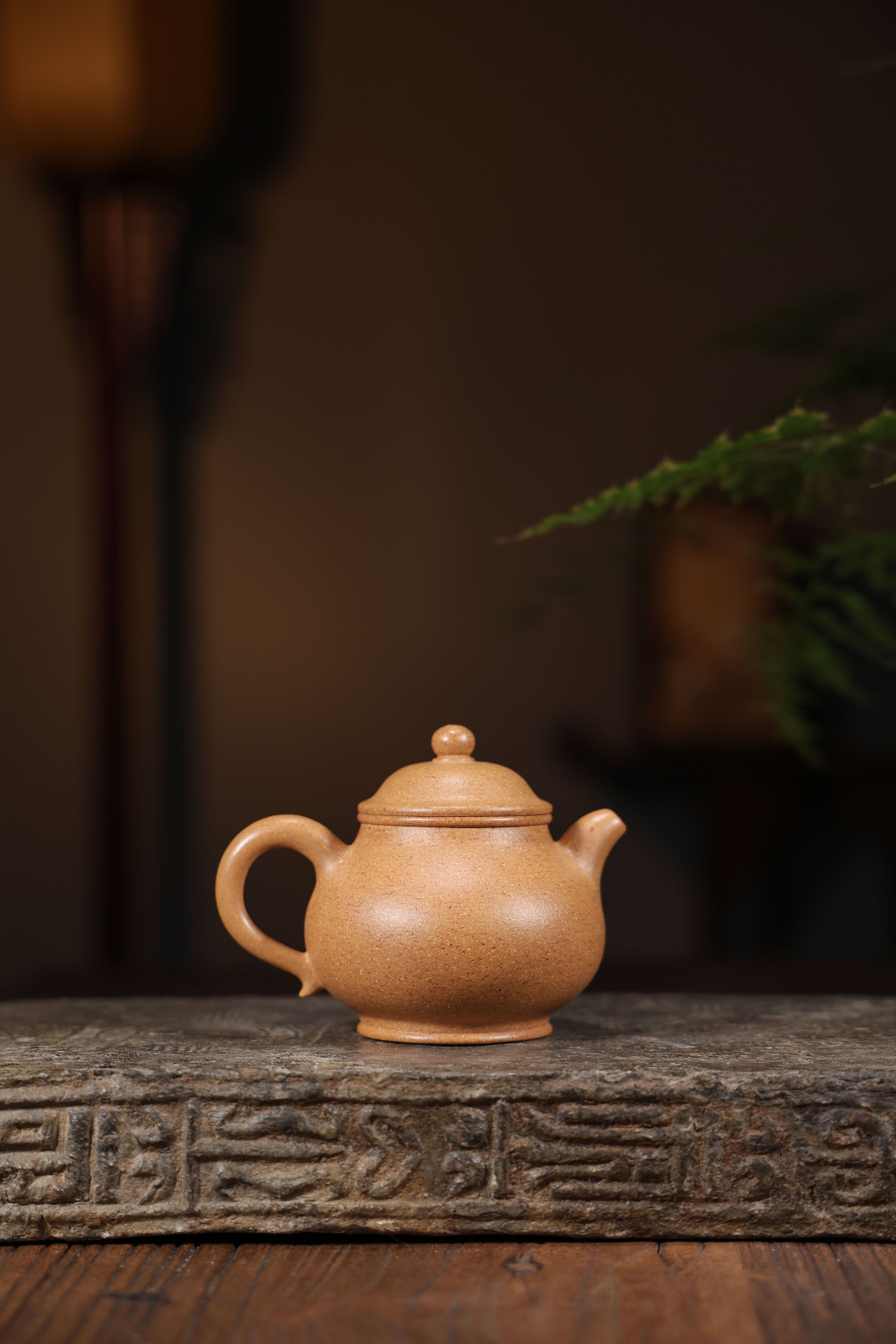
Amidst ages, admirers have been engaged by the distinctive charm of Yixing Zisha vessels. Originating from the area of Yixing in China, these pieces are renowned for their outstanding beauty, infrequent clay, and innate ability to boost the palate of the steeping. The clay's distinctive purple-brown hue, combined with the artistic craftsmanship of local artisans, creates artifacts that are as functional artwork and valuable assets. Acquiring a Zisha teapot is more than just an purchase; it's seizing a rich traditional heritage.
Comprehending Yixing Teapots: Background, Types, and Esteem
Yixing teapots symbolize a vast record deeply intertwined with Chinese culture. Deriving in the Yixing region of Jiangsu province, these clay vessels hold a heritage extending back to the Ming Dynasty. Initial examples were functional, but over centuries, Yixing teapot forging evolved into an esteemed art form. The clay itself, known for its unique composition and ability to boost the flavor of the tea, stays a defining factor. Yixing teapots exist in various versions, broadly categorized by shape: Established such as Zhuni (purple clay) and Bisheng, as well as advanced designs. The worth of a Yixing teapot centers on several factors, including the potter’s standing, the age of the piece, the rarity of the clay, and its aesthetic allure.- Background: Ming Dynasty
- Element: Diverse kinds
- Pricing Criteria: Rarity
Zisha Pot Excellence: Methods and Craftsmen
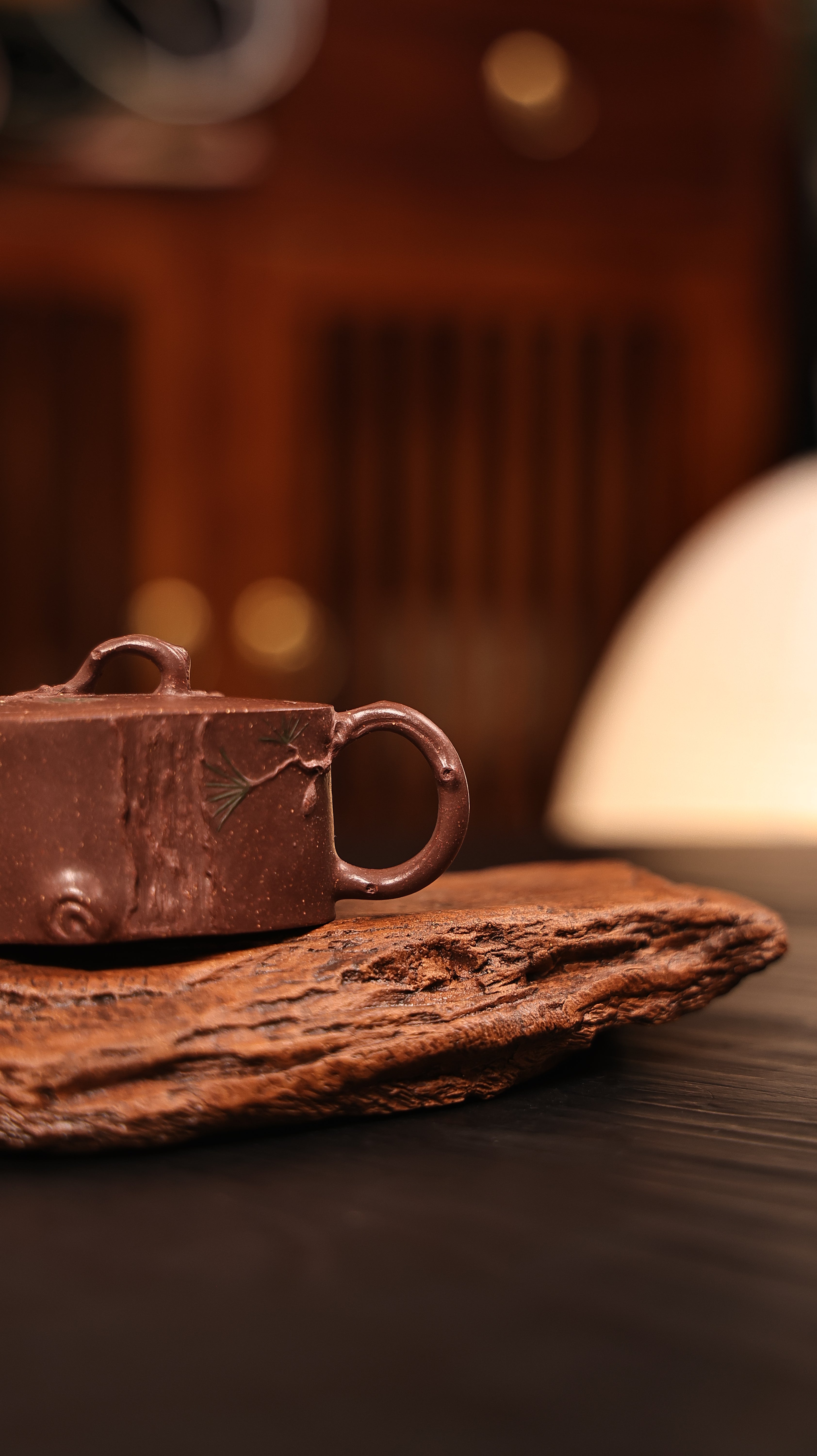
The assembly of a real Zisha teapot is a complex process, requiring extensive times of proficiency. Master artisans meticulously procure the highest quality Zisha clay, a singular earth found only in specific regions of China. Conventional techniques, often passed down through families, involve detailed shaping, nuanced carving, and unhurried firing in ancient ovens. The culminating teapot isn't merely a receptacle; it's a testament to design vision and the meaningful connection between the sculptor and their roots. Each artifact showcases the unique touch of the specialist, resulting in a truly unparalleled work of masterpiece.
A Craftsmanship: Examining the Profound Customs of the Yixing Territory
The Yixing City, found in Jiangsu the province of Jiangsu, is worldwide renowned for its exceptional teapots – a tangible representation of centuries Purple Clay Teapot of Chinese heritage. These aren't merely vessels for manufacturing tea; they are intricate works of skill, often reflecting intellectual ideals. A unique purple clay, known as Zisha, possesses distinctive qualities: the clay dense, porous, and imparts a subtle note to the tea.
- Diverse families have honed the techniques of Yixing ceramic making, passing down time-honored methods through successions.
- Collectors prize these pieces for their elegance and oddity.
- Particular pot tells a narrative, connecting the tea lover to a rich past.
Committing to Yixing Zisha: Critical Aspects
When exploring buying Yixing Zisha ceramics, diverse components demand careful scrutiny. Initially, the element's pigment is paramount; authentic Zisha traditionally exhibits a distinct reddish shading. In addition, scrutinize the workmanship; sharp characteristics and a silky covering show adept craft. Eventually, consider the producer's prestige; reputable names yield augmented amounts and often supply a reliable profit.
Mastering Tea Brewing Using a Zisha Pot
Preparing exquisite tea with a Zisha teapot is more outstripping a simple custom; it's an skill. Zisha clay, noted for its unique natural composition, imparts a refined character to the prepared tea that’s often absent with other devices. The appropriate water intensity is necessary; typically, gentler than what's used for black tea, to maintain the tea's fragrance and nuance. Consider mindfully the tea sort; delicate green teas or aged pu-erhs flourish from the Zisha’s ability to soften their fundamental edge. It’s essential to cleanse the teapot prior to brewing, and to exclude over-steeping. Mastering this skill leads to a authentically exceptional tea experience.
- Realizing Zisha Clay
- Water Warmth & Kind of Tea
- Significance of Pre-heating
Enhancing Your Celebrated Vessel
To sustain the durability of your precious Yixing earthenware, careful protection is essentially necessary. Eschew using soapsuds; instead, gently spray it with hot H2O. Refrain from immediate fluctuations; don't position the teapot directly onto a burning area. Periodically, enrich the clay pot by filtering it with excellent refined infusion, as this improves to enhance its nature and safeguards the peculiar attributes of the component.
From Earth to Cup: The Progression of a Classic Brewing Device
Such creation of a Zisha teapot is a remarkable operation, a representation to both the globe's bounty and the mastery of the maker. It launches with the careful extraction of the singular clay from the plum Zisha mines near Yixing. This untreated material, known for its superlative characteristics, is then carefully distilled and ready for the original forming. The urn’s form is masterfully assembled using a combination of classical sculpting practices, often incorporating complex motifs. Following aging, the vessel undergoes a essential first firing, accompanied by a varnishing stage, which might involve countless layers of pure Zisha coatings. Finally, a second, and sometimes third, firing at extreme temperatures finishes the product, revealing its finished beauty and fantastic characteristics - a true masterpiece, prepared to enrich a tea event.
{Yixing Teapots: A Manifestation of a Way of Life and Honoring
This Yixing teapots, originating from the well-known Yixing region of Jiangsu province, are far more than mere wares for brewing liquids; they represent a substantial aspect of Chinese identity. Manufactured from distinctive purple clay – zisha – these unique teapots are highly prized for their ability to enhance the flavor of the tea and, crucially, for their aesthetic appeal. The legacy of Yixing teapot making spans centuries, and the craft involved is inherited through generations, making each teapot a beautiful object that embodies classical techniques and a profound appreciation for the refined pleasures in life.